Custom apparel printing has evolved dramatically over the past decade, and one technology that has captured the attention of both hobbyists and professionals is dtf transfers. Unlike traditional methods that require specialized equipment or messy chemicals, DTF (Direct to Film) printing offers a streamlined approach that delivers vibrant, durable results on a wide range of fabrics. Whether you're running a small print shop or just starting to explore garment decoration, understanding DTF transfers can open up new possibilities for your creative projects.
What Are DTF Transfers?
DTF transfers are printed designs on a special film that can be heat-pressed onto fabrics. The process involves printing your artwork onto a PET film using specialized dtf inks, then applying a powder adhesive while the ink is still wet. Once the powder melts and cures, the design is ready to be transferred onto a garment using a heat press. This method is compatible with cotton, polyester, blends, and even some synthetic fabrics, making it incredibly versatile.
One of the key advantages of DTF transfers is that they don't require pre-treatment of the fabric, unlike DTG printing. This saves time and reduces the risk of uneven results. Plus, DTF transfers can be stored for extended periods, allowing you to print on demand or prepare designs in advance.
How DTF Transfers Compare to Other Printing Methods
When choosing a printing method, it's helpful to understand how DTF stacks up against alternatives like screen printing, DTG, and vinyl. Each has its strengths and weaknesses, but DTF often shines in flexibility and cost-effectiveness for small to medium runs.
DTF vs. Screen Printing
Screen printing is ideal for large orders with few colors, offering low per-unit costs at high volumes. However, it requires separate screens for each color, making short runs expensive and time-consuming to set up. DTF transfers, on the other hand, handle full-color designs with gradients and fine details without any setup fees. For small batches or one-off custom pieces, DTF is often more economical and faster.
DTF vs. DTG
Direct-to-garment (DTG) printing is great for 100% cotton shirts and produces soft-hand prints. But DTG requires pre-treatment, which adds a step and can affect consistency. DTF works on more fabric types and doesn't need pre-treatment, though the hand feel might be slightly thicker. For those working with a variety of materials, DTF is a versatile choice.
DTF vs. Heat Transfer Vinyl
Heat transfer vinyl (HTV) is popular for simple one-color designs and names. It's easy to use but limited in complexity; layering multiple colors can be tedious. DTF transfers can reproduce intricate, multi-color designs in a single press, making them superior for detailed artwork.
The DTF Transfer Process Step by Step
Understanding the workflow helps you avoid common pitfalls and achieve professional-looking results. Here's a breakdown of the DTF process from start to finish.
1. Design Preparation
Start with a high-resolution image (300 DPI is recommended). Ensure your design has transparent backgrounds if needed, and mirror the image horizontally before printing. This is crucial because the transfer will be flipped when pressed onto the fabric.
2. Printing
Using a DTF printer, the design is printed onto a PET film with a release coating. The printer lays down white ink as a base, followed by CMYK colors. This white layer is what makes the colors pop on dark fabrics.
3. Powder Application
While the ink is still wet, a hot-melt adhesive powder is sprinkled over the design. The excess powder is shaken off, and the film is then heated to melt the powder, creating a sticky surface that will bond with the fabric.
4. Curing
The film is cured in an oven or using a heat press to fully melt the powder. Proper curing ensures the transfer adheres well and withstands washing.
5. Pressing
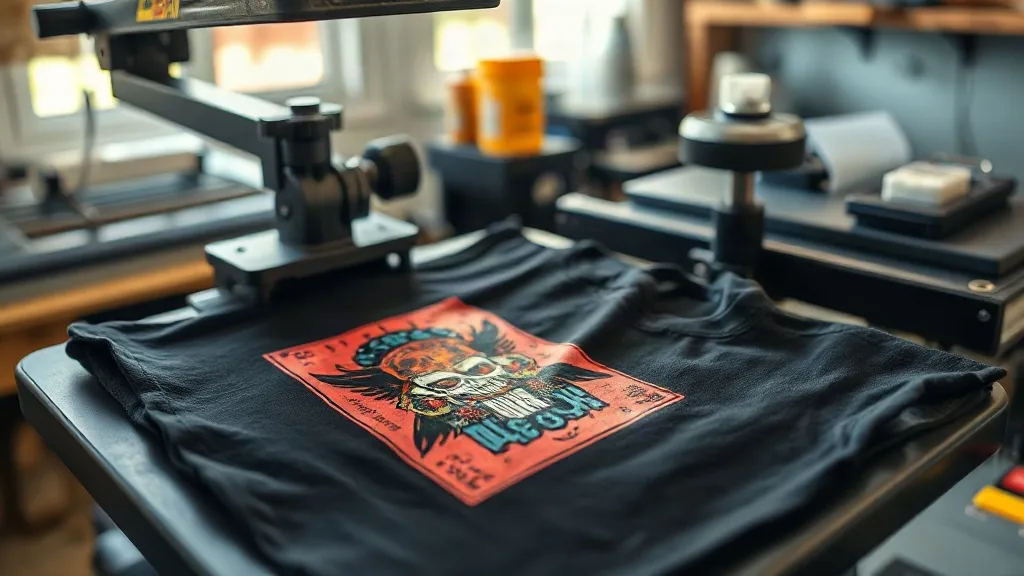
Finally, the transfer is placed on the garment and pressed with a heat press at the recommended temperature and pressure. After pressing, the film is peeled off (hot or cold peel, depending on the film type), leaving the design behind.
Tips for Flawless DTF Transfers
Even with a straightforward process, small mistakes can ruin a transfer. Here are some practical tips to help you get consistent, high-quality results.
- Use the right film: Not all DTF films are created equal. Choose a film that matches your printer and ink type. Some films are designed for hot peel, others for cold peel; using the wrong one can cause the design to crack or peel prematurely.
- Control moisture: DTF powder is sensitive to humidity. Store it in an airtight container and work in a dry environment to prevent clumping.
- Preheat the garment: Before pressing, preheat the fabric for a few seconds to remove wrinkles and moisture. This helps the transfer adhere evenly.
- Adjust pressure and temperature: Follow the film manufacturer's recommendations. Too much pressure can cause the design to spread, while too little results in poor adhesion.
- Test your settings: Always do a test press on a scrap piece of fabric to fine-tune your heat press settings.
Finding Quality DTF Transfers Near You
If you're not ready to invest in a DTF printer, you can still enjoy the benefits of DTF by ordering transfers from a reputable supplier. When searching for dtf transfers near me, consider the following factors to ensure you get high-quality products.
- Reputation: Look for suppliers with positive reviews and a portfolio of satisfied customers. Online forums and social media groups can provide valuable insights.
- Material quality: Inquire about the inks and films used. Some suppliers use cheaper materials that may fade or crack after a few washes.
- Turnaround time: If you need transfers quickly, check the supplier's production and shipping times. Local suppliers may offer faster delivery.
- Customization options: Ensure the supplier can handle your design requirements, including size, color complexity, and special effects.
- Customer service: Good communication is key. A responsive supplier can answer questions and resolve issues promptly.
Common Mistakes to Avoid with DTF Transfers
Learning from others' mistakes can save you time and money. Here are some pitfalls to watch out for.
- Ignoring fabric compatibility: While DTF works on many fabrics, some materials like nylon or certain water-repellent finishes may not bond well. Always test first.
- Over-pressing: Applying too much heat or pressure can cause the design to become glossy or distorted. Stick to the recommended settings.
- Peeling too early: If you're using a cold-peel film, waiting for the transfer to cool completely before peeling is essential. Peeling while hot can ruin the design.
- Storing transfers improperly: Keep unused transfers in a cool, dry place away from direct sunlight. Moisture and heat can degrade the adhesive.
- Using low-resolution images: Pixelated designs will look even worse when printed. Always start with high-quality artwork.
Frequently Asked Questions About DTF Transfers
How long do DTF transfers last on a shirt?
With proper application and care, DTF transfers can last for years. They are durable and resistant to cracking and fading, often outlasting the garment itself. Washing inside out in cold water and avoiding high heat in the dryer will help prolong the life of the print.
Can I use DTF transfers on dark-colored shirts?
Absolutely. DTF transfers include a white ink base that makes colors vibrant on dark fabrics. This is one of the key advantages over other methods that require a white underbase.
What is the best temperature for pressing DTF transfers?
Most DTF transfers are pressed at around 300°F to 320°F (150°C to 160°C) for 10-15 seconds with medium pressure. However, always follow the specific instructions provided by your transfer supplier, as films and powders can vary.
Do I need a special printer for DTF transfers?
Yes, DTF printing requires a printer that uses DTF inks and is capable of printing white ink. You can also purchase pre-printed transfers from suppliers if you don't want to invest in a printer.
How should I store unused DTF transfers?
Store them in a cool, dry place, away from direct sunlight and moisture. Keep them flat to avoid creasing. Properly stored transfers can last for several months.
Final Thoughts
DTF transfers have revolutionized the custom apparel industry by offering a versatile, cost-effective solution for printing on a wide range of fabrics. Whether you're a hobbyist or a professional, understanding the ins and outs of DTF can help you achieve professional results and expand your creative offerings. From design preparation to pressing, each step matters, but with practice and attention to detail, you'll be producing stunning garments in no time.