
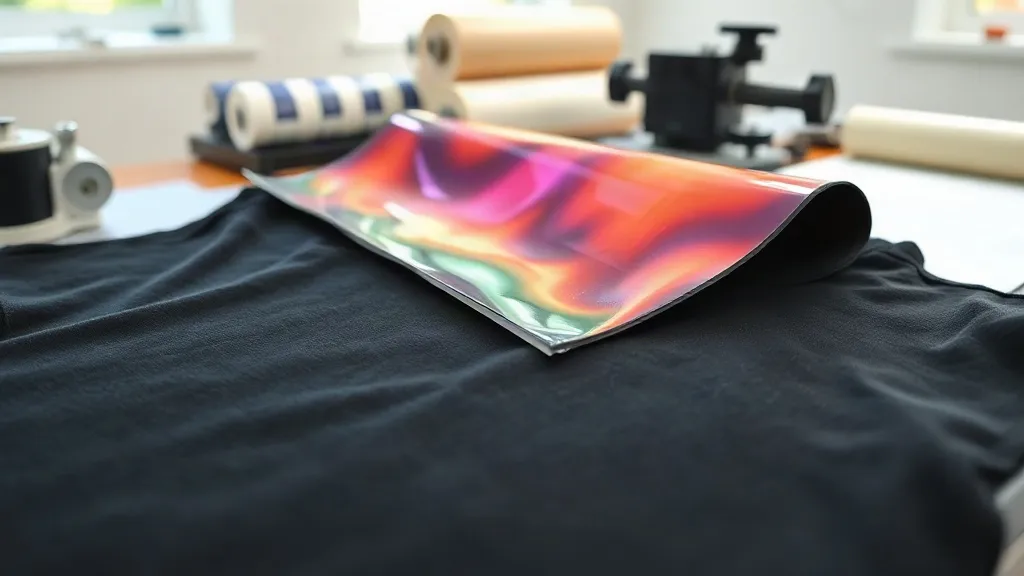
When I first heard about dtf printing, I was skeptical. As someone who has spent years wrestling with heat presses and vinyl cutters, the idea of a transfer that could adhere to cotton, polyester, and blends without pretreatment sounded too good to be true. But after testing dtf transfers on dozens of garments, from basic tees to performance wear, I can confidently say they have changed my workflow. Whether you are a hobbyist or a small business owner, understanding DTF technology can save you time and open up new creative possibilities. In this guide, I will walk you through what DTF transfers are, how to use them, and the lessons I have learned along the way.
What Are DTF Transfers?
DTF stands for Direct to Film. Unlike DTG (Direct to Garment) or sublimation, DTF involves printing your design onto a special PET film using a DTF printer. The printer lays down CMYK inks, followed by a white ink layer, and then a powdered hot-melt adhesive is applied. After curing, you have a flexible, ready-to-press transfer. This process allows for vibrant, opaque prints on dark and light fabrics alike, without the need for weeding or masking. The magic is in the adhesive powder: when heat pressed, it melts and bonds the ink to the fabric, creating a durable, stretchable print.
Why Choose DTF Transfers Over Other Methods?
There are several reasons DTF has gained popularity. First, versatility: you can apply DTF transfers to almost any fabric, including cotton, polyester, nylon, leather, and even some treated woods. Second, no pretreatment is required for cotton (unlike DTG), and you do not need to worry about dye migration as much as with sublimation on polyester. Third, the color vibrancy is outstanding because the white ink layer acts as a base, making colors pop on dark garments. Finally, DTF transfers are cost-effective for short runs; you can print one-off designs without setup fees, making them ideal for custom orders.
Step-by-Step Application Guide
Applying DTF transfers is straightforward, but following the right steps ensures a professional finish. Here is my tried-and-true process:
- Prepare your heat press: Set the temperature to 300-325°F (150-160°C) and pressure to medium-high. Preheat the garment for 3-5 seconds to remove moisture.
- Position the transfer: Place the DTF transfer on the garment with the printed side up. The adhesive side is facing down against the fabric.
- Press: Cover with a Teflon sheet or parchment paper. Press for 10-15 seconds with firm pressure.
- Peel: Wait for the transfer to cool completely (cold peel) before removing the film. For some films, a warm peel is recommended, so always test.
- Post-press (optional): For extra durability, press again for 5-10 seconds with a cover sheet.
After peeling, you should see a smooth, vibrant print that stretches with the fabric. If you notice any lifting, it is likely due to insufficient pressure or time.
Common Mistakes to Avoid
Even with a simple process, mistakes happen. Here are the ones I see most often:
- Insufficient pressure: If the transfer does not adhere fully, increase pressure. But be careful not to overdo it, as too much pressure can cause the adhesive to spread and create a halo.
- Wrong temperature: Too low, and the adhesive won't melt; too high, and you risk scorching the fabric or the film curling.
- Peeling too soon: Always follow the film's instructions for peel type. Cold peel is most common, but some films require warm peel.
- Ignoring fabric type: While DTF works on many fabrics, some delicate synthetics may not handle high heat. Always test on a scrap first.
Choosing the Right DTF Transfer for Your Project
Not all DTF transfers are created equal. When sourcing transfers, consider the film quality, ink type, and adhesive. For vibrant designs on dark colors, ensure the transfer has a good white ink layer. For stretchy fabrics, look for transfers that mention stretchability. If you are printing your own, invest in a reliable DTF printer and quality inks. For those who prefer to buy ready-made transfers, dtf transfers from reputable suppliers can save you the hassle of printing and curing.
DTF Transfers vs. Other Printing Methods
How does DTF stack up against vinyl, DTG, and sublimation? Vinyl is great for simple one-color designs but limited in complexity. DTG excels on 100% cotton but requires pretreatment and can be less vibrant on dark shirts. Sublimation only works on polyester and requires light-colored substrates. DTF, on the other hand, bridges the gap: it handles complex, multi-color designs on a wide range of fabrics with excellent durability. The only trade-off is the slightly higher cost per print compared to vinyl for large runs, but for custom work, it is a game-changer.
Tips for Long-Lasting DTF Prints
To ensure your DTF transfers survive repeated washing, follow these care instructions:
- Wash inside out in cold water.
- Do not use bleach or fabric softener.
- Tumble dry low or hang to dry.
- Iron inside out, never directly on the print.
With proper care, DTF prints can last as long as the garment itself.
Frequently Asked Questions
Can I use DTF transfers on 100% polyester?
Yes, DTF transfers work well on polyester. However, because polyester is heat-sensitive, use a lower temperature (around 280-300°F) and test first to avoid scorching or dye migration.
Do I need a special printer for DTF?
Yes, DTF printing requires a dedicated DTF printer that uses DTF inks and can handle the film and powder application. Alternatively, you can purchase pre-printed DTF transfers from suppliers.
How do I store unused DTF transfers?
Store them in a cool, dry place, away from direct sunlight. Keep them flat to prevent curling. Properly stored transfers can last for several months.
What is the best way to peel a DTF transfer?
Most DTF transfers are cold peel, meaning you wait until the transfer is completely cool before peeling. However, some films are warm peel. Always check the instructions provided with your transfers.
Can I layer DTF transfers?
Yes, you can layer DTF transfers for multi-color designs, but it is tricky. Press the first layer, peel, then press the second layer on top. Use a cover sheet to protect the already pressed areas.
Final Thoughts
DTF transfers have revolutionized the way I approach custom apparel. They offer unmatched versatility, vibrant colors, and durability that rivals more traditional methods. Whether you are just starting out or looking to expand your services, mastering DTF can set you apart. Remember to practice, follow the guidelines, and do not be afraid to experiment with different fabrics and designs. With a little patience, you will be producing professional-quality prints in no time.