When you first hear about dtf transfers, it might sound like just another printing method. But if you've ever struggled with vinyl peeling or screen printing setups, you know there's a lot riding on getting a clean, durable print. DTF, or direct-to-film, is changing the game for small businesses and hobbyists alike. In this guide, I'll walk you through what DTF transfers are, how they work, and how you can use them to produce professional-looking apparel without the steep learning curve.
What Are DTF Transfers?
DTF stands for direct-to-film. It's a printing technique where your design is printed onto a special film, then coated with a powder adhesive and cured. The result is a transfer that can be heat-pressed onto almost any fabric, including cotton, polyester, blends, and even treated nylon. Unlike DTG (direct-to-garment) printing, which requires the garment to be pre-treated and is limited to certain fabrics, dtf transfers are versatile and work on a wide range of materials.
The process involves printing a mirror image of your design onto the film using pigment inks. While the ink is still wet, a hot-melt powder is applied, which sticks to the ink. After shaking off the excess powder, the film is cured in an oven or with a heat press. Once cured, the transfer is ready to be stored or applied to a garment.
Why Choose DTF Transfers?
There are several reasons why DTF transfers have become so popular. First, they offer incredible versatility. You're not limited to 100% cotton like with DTG, and you don't need to worry about the fabric's color because the white ink base ensures vibrant prints on dark garments. Second, DTF transfers are durable. When applied correctly, they withstand repeated washing without cracking or fading. Third, the setup cost is relatively low compared to screen printing, making it accessible for small businesses and hobbyists.
Another advantage is the ability to produce full-color designs with fine details and gradients. Unlike vinyl, which is limited to solid colors and simple shapes, DTF can handle complex artwork, photographs, and even small text. This opens up endless creative possibilities for custom apparel, promotional items, and personalized gifts.
How to Apply DTF Transfers
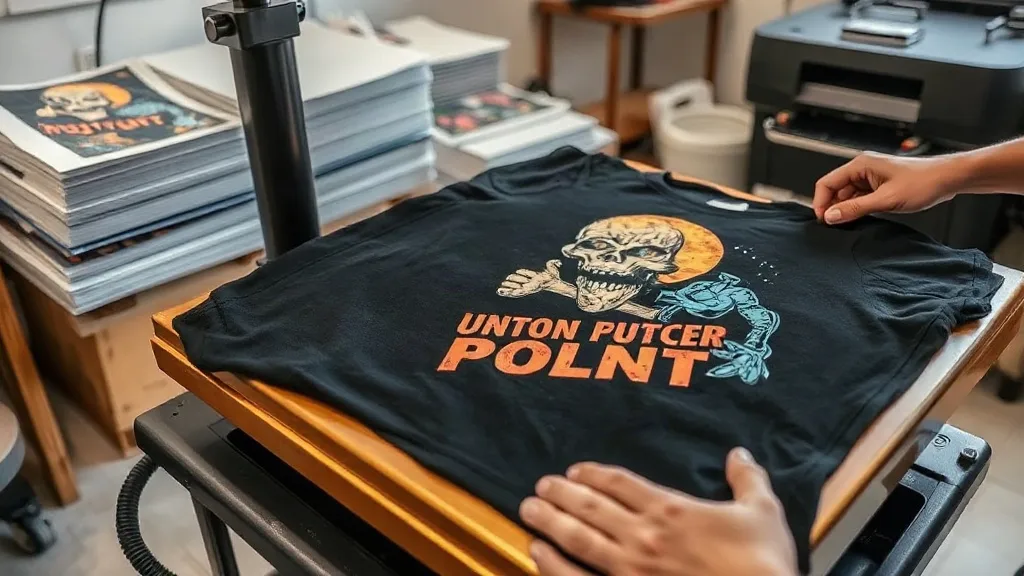
Applying a DTF transfer is straightforward, but attention to detail makes all the difference. Here's a step-by-step guide to ensure a flawless result:
- Preheat your garment: Set your heat press to the recommended temperature (usually around 300°F to 320°F). Pre-press the garment for a few seconds to remove moisture and wrinkles.
- Position the transfer: Place the transfer on the garment with the printed side down. Make sure it's exactly where you want it.
- Press: Apply medium to firm pressure for 10-15 seconds. Use a protective sheet or parchment paper over the transfer to prevent sticking.
- Peel: Wait a few seconds for the transfer to cool slightly, then peel the film off in a smooth, steady motion. If you peel too soon, the design might smudge; if you wait too long, it might stick to the film.
- Post-press: For added durability, press the design again for a few seconds with a protective sheet.
Practice on a scrap piece of fabric to dial in your press settings. Different fabrics and transfer thicknesses may require slight adjustments.
Common Mistakes to Avoid
Even seasoned pros can run into issues with DTF transfers. Here are some common pitfalls and how to avoid them:
- Insufficient pressure: If the pressure is too light, the transfer won't adhere properly, leading to peeling. Make sure your press is calibrated.
- Wrong temperature: Too hot and you'll scorch the fabric or melt the adhesive; too cold and the transfer won't stick. Always check the recommended settings.
- Peeling too early or too late: Follow the instructions for the specific film you're using. Most require peeling while warm, but some are cold-peel.
- Not pre-pressing: Moisture is the enemy of a good bond. Always pre-press to remove any dampness.
- Using the wrong film: There are different types of DTF film (hot peel, cold peel, matte, glossy). Choose the one that suits your workflow.
Finding Quality DTF Transfers
If you're not ready to invest in a printer and curing setup, you can order custom DTF transfers from professional services. When searching for dtf transfers near me, look for providers with good reviews and clear specifications. Quality transfers should have vibrant colors, sharp details, and a soft hand feel. Request samples if possible to test durability and application.
For those who want to produce transfers in-house, investing in a reliable DTF printer and supplies is key. Brands like Harwin offer a range of DTF films and powders that cater to different needs. Whether you're a small shop or a large operation, consistent quality is essential for customer satisfaction.
DTF vs. Other Printing Methods
How does DTF stack up against other popular printing methods? Here's a quick comparison:
- DTG: Limited to cotton, requires pre-treatment, and can be expensive per print. DTF works on more fabrics and has lower per-unit costs for small runs.
- Screen Printing: Cost-effective for large orders but has setup costs and is impractical for small batches or complex designs. DTF excels at small runs and detailed artwork.
- Vinyl: Great for simple text and shapes but limited in color and detail. DTF handles full-color images and gradients with ease.
- Sublimation: Only works on polyester and light-colored fabrics. DTF works on dark colors and cotton blends.
Each method has its place, but DTF's versatility makes it a strong contender for businesses that need flexibility.
Tips for Long-Lasting Prints
To ensure your DTF prints stand the test of time, follow these care tips:
- Wash garments inside out in cold water.
- Avoid using bleach or harsh detergents.
- Tumble dry on low or hang to dry.
- Do not iron directly on the print; use a pressing cloth if needed.
- Wait at least 24 hours after pressing before washing.
These simple steps can significantly extend the life of your prints.
Frequently Asked Questions
Can DTF transfers be applied to any fabric?
DTF transfers work on a wide range of fabrics, including cotton, polyester, blends, and even some nylons. However, fabrics with a heavy weave or coating may require special handling. Always test on a swatch first.
How long do DTF transfers last?
With proper application and care, DTF transfers can last as long as the garment itself. They are resistant to cracking and fading, but following washing instructions is key to longevity.
Do I need a heat press for DTF transfers?
Yes, a heat press is essential for applying DTF transfers. You need consistent temperature and pressure that a home iron cannot provide. A quality heat press is a worthwhile investment.
Can I print white ink with DTF?
Absolutely. DTF printers use white ink as a base, which allows for vibrant prints on dark fabrics. This is one of the biggest advantages over other methods.
How do I store unused DTF transfers?
Store them in a cool, dry place away from direct sunlight. Keep them flat to avoid creasing. Properly stored transfers can last for several months.
DTF transfers have opened up a world of possibilities for custom apparel. Whether you're a hobbyist or a business owner, understanding the ins and outs of this technology can help you achieve professional results. With the right techniques and a bit of practice, you'll be creating stunning, durable prints in no time.