
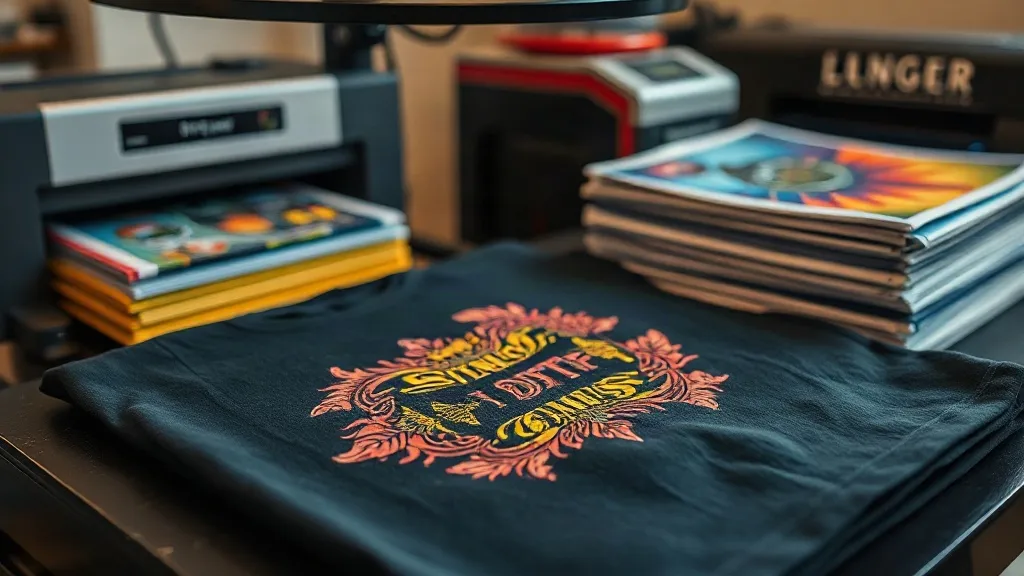
Imagine pressing a vibrant, full-color design onto a dark cotton t-shirt without worrying about color limitations or complex pre-treatment. That's the promise of dtf printing, a technology that has rapidly become a favorite among apparel decorators, small business owners, and DIY enthusiasts. Unlike traditional methods that require specialized equipment or restrictive material choices, dtf transfers offer a versatile, cost-effective solution for bringing intricate designs to life on a wide range of fabrics. In this guide, we'll walk you through everything you need to know about DTF printing, from how it works to practical tips for achieving professional-looking results.
What Are DTF Transfers?
DTF stands for Direct-to-Film. It's a printing process where your design is printed onto a special PET film using pigment-based inks, then coated with a hot-melt adhesive powder. After the powder is cured, the transfer is ready to be applied to fabric using a heat press. The magic lies in the adhesive: when heated, it bonds the ink to the fabric, creating a durable, stretchable print that feels soft to the touch. Unlike DTG (Direct-to-Garment) printing, which requires the garment to be pre-treated and printed directly, DTF transfers are produced separately and can be stored for later use, making them ideal for on-demand production or small batches.
The DTF Printing Process Step by Step
Understanding the process helps you appreciate why DTF transfers are so effective. Here's a breakdown of the key steps:
- Design Preparation: Your artwork is prepared in a RIP software, which manages color profiles and ink limits. The design is typically mirrored so it reads correctly when transferred.
- Printing: A DTF printer lays down a layer of white ink (for opacity) followed by CMYK inks (for color) onto the PET film. Some printers also print a clear adhesive layer.
- Powder Application: While the ink is still wet, a hot-melt adhesive powder is sprinkled over the print. The excess powder is shaken off, leaving a thin, even layer.
- Curing: The film passes through a curing oven or under a heat source to melt the powder, creating a smooth, dry surface.
- Transfer: The cured film is placed on the garment and pressed with a heat press. The adhesive melts, bonding the ink to the fabric. After cooling, the film is peeled away, leaving the design behind.
Why Choose DTF Transfers Over Other Methods?
DTF transfers have carved out a significant niche in the apparel decoration industry, and for good reason. Let's compare them to other popular techniques.
DTF vs. Screen Printing
Screen printing is cost-effective for large orders of simple designs, but it requires separate screens for each color, making multi-color jobs expensive and time-consuming to set up. DTF transfers, on the other hand, can reproduce full-color, photographic designs in a single print without any setup fees. This makes them perfect for small businesses that offer personalized products or limited-edition runs.
DTF vs. DTG
DTG printing is great for 100% cotton garments, but it struggles with synthetic fabrics and often requires pre-treatment, which adds time and cost. DTF transfers work on a much wider range of materials, including cotton, polyester, blends, and even leather. Plus, DTF prints tend to have better wash durability and stretchability, making them suitable for activewear.
DTF vs. Vinyl
Heat transfer vinyl (HTV) is a popular choice for simple one-color designs, but it can't handle intricate details or gradients. DTF transfers can print complex artwork with fine lines and subtle shading, opening up endless creative possibilities. Additionally, DTF transfers are more flexible and less likely to crack over time.
Key Benefits of DTF Transfers
If you're still on the fence, consider these advantages:
- No color limitations: Print any color, including white, on any fabric color.
- Works on multiple fabrics: Cotton, polyester, blends, leather, and more.
- Durable and stretchable: Resists cracking, peeling, and fading.
- Cost-effective for short runs: No minimum order quantity; print one or many.
- Easy to store and ship: Transfers can be stored for months and shipped flat.
- Soft hand feel: Modern DTF films and powders produce a comfortable, lightweight print.
How to Apply DTF Transfers: A Step-by-Step Guide
Applying DTF transfers is straightforward, but following the right steps ensures a professional finish. Here's what you need to do:
What You'll Need
- A heat press (or a home iron with caution)
- Your DTF transfer
- The garment
- Heat-resistant tape (optional)
- Parchment paper or a Teflon sheet
Step 1: Preheat the Garment
Set your heat press to the recommended temperature (usually 300-325°F / 150-160°C) and pre-press the garment for 5-10 seconds to remove moisture and wrinkles. This helps the transfer adhere evenly.
Step 2: Position the Transfer
Place the DTF transfer on the garment with the printed side facing up. If your transfer has a white backing, that side goes against the fabric. Use heat-resistant tape to hold it in place if needed.
Step 3: Press
Cover the transfer with parchment paper or a Teflon sheet. Press with medium pressure for 15-20 seconds. The exact time and temperature may vary depending on your film and powder, so always check the supplier's instructions.
Step 4: Peel
After pressing, you can either peel the film while it's hot or wait for it to cool completely (cold peel). Most modern DTF transfers are cold peel, meaning you wait until the film is cool to the touch before removing it. This allows the adhesive to set properly.
Step 5: Post-Press (Optional)
For extra durability, cover the design with parchment paper and press again for 5-10 seconds. This helps the ink fully bond with the fabric.
Common Mistakes to Avoid
Even with a simple process, a few missteps can ruin your results. Watch out for these:
- Insufficient pressure: If the press doesn't apply enough pressure, the transfer won't adhere properly, leading to peeling.
- Wrong temperature: Too hot and the film may melt or the ink may scorch; too cold and the adhesive won't activate.
- Not pre-pressing: Moisture in the fabric can cause steam bubbles and poor adhesion.
- Peeling too early: If you're using a cold peel transfer, peeling while hot can stretch the design or leave residue.
- Using too much powder: Excess powder can create a rough texture and dull the colors.
Choosing the Right DTF Supplies
Not all DTF films and powders are created equal. The quality of your supplies directly impacts the vibrancy, durability, and feel of your prints. When sourcing DTF transfers or materials, consider the following:
- Film thickness: Thinner films tend to produce a softer hand feel but may be more prone to curling. Thicker films are easier to handle but can feel heavier.
- Powder particle size: Finer powders create a smoother finish and better adhesion. Look for powders specifically designed for DTF.
- Ink quality: High-quality pigment inks ensure vibrant colors and good wash fastness.
- Compatibility: Ensure your printer, film, and powder are compatible. Some printers require specific film types.
If you're just starting out, you might want to purchase pre-made dtf transfers from a reputable supplier like dtfpresszone.com to test the waters before investing in a printer.
DTF Transfers in Action: Real-World Applications
DTF transfers are used across a wide spectrum of products. Here are some popular applications:
- Custom T-shirts: Perfect for team uniforms, event merchandise, and personal gifts.
- Activewear: The stretchability of DTF prints makes them ideal for leggings, sports jerseys, and yoga tops.
- Denim jackets: Add intricate designs to denim without the stiffness of traditional embroidery.
- Bags and accessories: Personalize tote bags, backpacks, and hats with vibrant graphics.
- Home textiles: Create custom pillows, blankets, and towels.
Frequently Asked Questions About DTF Transfers
How long do DTF transfers last?
With proper application and care, DTF transfers can last as long as the garment itself. They withstand repeated washing (inside out, cold water) and are resistant to cracking and fading. Following the wash care instructions is key to longevity.
Can I use a regular iron instead of a heat press?
While a heat press is recommended for consistent results, you can use a home iron. Set it to the highest temperature without steam, apply firm pressure for 30-40 seconds, and ensure you cover the transfer with parchment paper. However, results may vary, and the transfer might not be as durable.
Do DTF transfers work on dark colors?
Yes, one of the biggest advantages of DTF is that it prints a white underbase, so colors pop on both light and dark fabrics. You don't need to change your design for dark garments.
What fabrics can I apply DTF transfers to?
DTF transfers adhere well to cotton, polyester, cotton-poly blends, leather, and even some synthetic materials. They are not recommended for nylon or fabrics with a heavy water-repellent coating.
Can I stretch DTF prints?
Absolutely. DTF prints are stretchable and flexible, making them suitable for performance wear and garments that need to move with the body. They won't crack or peel when stretched.
Whether you're a hobbyist or a growing apparel business, DTF transfers offer a powerful way to produce high-quality, custom items with ease. With the right supplies and a bit of practice, you'll be creating stunning, durable prints that impress your customers and keep them coming back.