If you are running a custom apparel business or printing tees for an event, you have probably weighed DTF transfers against screen printing. Both methods can produce vibrant, long-lasting prints, but they serve different needs. This guide breaks down cost, quality, setup, and best-fit scenarios so you can choose with confidence. We will also touch on choosing blanks, whether you go with shaka wear or smart blanks, and how your choice of garment affects the final result.
What Are DTF Transfers and Screen Printing?
DTF transfers (direct-to-film) involve printing your design onto a special film, applying adhesive powder, and then heat-pressing it onto fabric. This method has exploded in popularity because it handles complex, full-color images without the setup costs of traditional screen printing.
Screen printing, on the other hand, pushes ink through a mesh screen onto the fabric. Each color requires its own screen, so the process involves more prep work but can be extremely cost-effective for large runs of simple designs.
How DTF Transfers Work
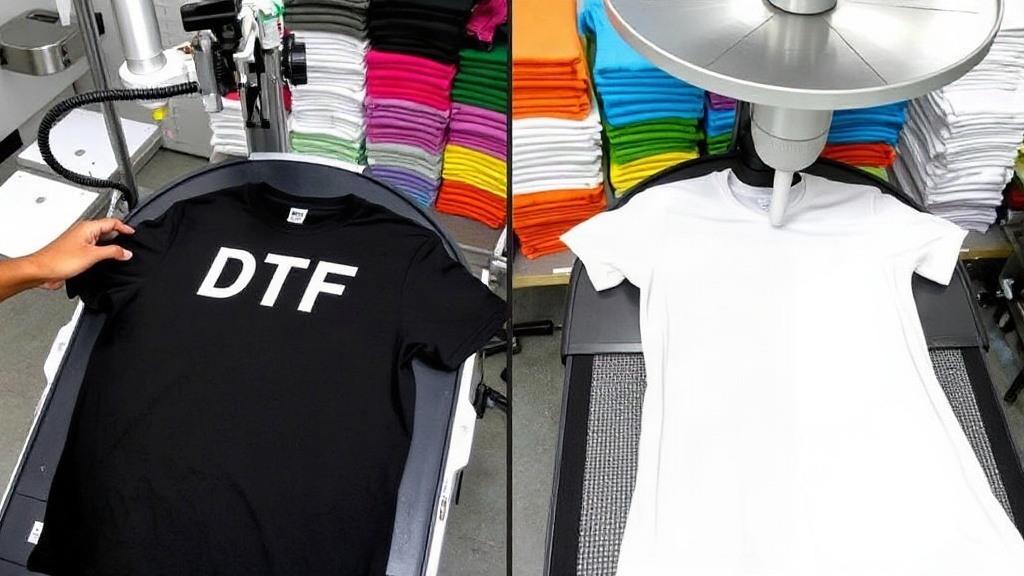
The DTF process starts with a digital printer that lays down CMYK plus white ink onto a PET film. A powder adhesive is applied while the ink is still wet, then the film is cured. When you are ready to print, you place the film on the garment and press it with a heat press. The result is a soft, stretchable print that bonds well to cotton, polyester, and blends.
How Screen Printing Works
Screen printing requires a stencil (emulsion on a mesh screen) for each color. Ink is pushed through the open areas onto the fabric, and the garment is then cured. It is a robust, tried-and-true method that excels with bold, solid colors and high-volume orders.
Cost Comparison: Which Is More Affordable?
Cost is often the deciding factor. Let us break it down by order size and design complexity.
- Setup costs: Screen printing charges per screen (usually $20–$50 per color), so a four-color design might cost $80–$200 just in setup. DTF transfers have no setup fees; you only pay for the printed film.
- Per-unit cost: For large runs (100+ pieces) of simple designs, screen printing wins on price per unit. For small to medium runs (1–50 pieces) or complex designs, DTF is more economical.
- Color count: With screen printing, each additional color adds cost. DTF transfers can print unlimited colors at no extra charge.
- Turnaround: DTF transfers can be printed and shipped quickly, often same-day. Screen printing requires screen burning and drying time, which can take days.
If you are printing 500 one-color tees, screen printing will likely be cheaper. But if you need 20 full-color hoodies, DTF transfers will save you money and time.
Quality and Durability: How Do They Compare?
Both methods produce durable prints when done correctly. The key differences lie in feel, detail, and longevity.
Feel and Stretch
DTF transfers have a slightly thicker feel than screen printing, especially with large white underbases. However, modern films and powders have improved dramatically. High-quality DTF prints can stretch with the fabric without cracking. Screen printing, particularly with water-based inks, offers a softer, more breathable feel that many prefer for retail-quality apparel.
Detail and Color
DTF transfers excel at fine details, gradients, and photorealistic images. Screen printing struggles with gradients unless you use halftones, and each color adds complexity. For intricate designs, DTF is the clear winner.
Washability
With proper curing, both methods can withstand dozens of washes. DTF prints may show slight fading over time, but they generally hold up well. Screen prints can crack if the ink is too thick or the garment stretches excessively, but a well-cured print can outlast the garment itself.
Best Use Cases for Each Method
Choosing between DTF and screen printing depends on your specific project. Here are some guidelines.
When to Choose DTF Transfers
- Small batches (1–50 pieces) where setup costs would be prohibitive.
- Full-color, photographic, or gradient-heavy designs.
- Printing on a variety of fabric types, including polyester and blends.
- On-demand or just-in-time production, such as for online stores.
- Personalized items like names and numbers on jerseys.
When to Choose Screen Printing
- Large orders (100+ pieces) of simple, bold designs with few colors.
- When a soft, vintage feel is desired (water-based or discharge inks).
- Printing on dark garments where a thick, opaque ink deposit is needed.
- Long-term durability for workwear or uniforms.
Choosing the Right Blanks for Your Prints
The garment you print on matters as much as the printing method. Not all blanks are created equal, and your choice affects print adhesion, comfort, and customer satisfaction.
Shaka Wear: A Favorite for Streetwear
Shaka wear has become a go-to for many printers because of its heavyweight cotton and relaxed fit. The fabric takes DTF transfers well, and the prints hold up wash after wash. If you are targeting the streetwear market, shaka wear offers the boxy, oversized look that sells.
Smart Blanks: Affordable and Consistent
Smart blanks are known for their consistent sizing and budget-friendly pricing, making them ideal for large orders or promotional items. They work well with both DTF transfers and screen printing, though you may need to adjust your press settings for optimal adhesion. Many printers appreciate smart blanks for their reliable quality at a low cost.
Other Considerations
When choosing blanks, consider fabric content (100% cotton vs. blends), weight (5 oz vs. 6 oz), and color. Dark colors require a white underbase for DTF, which can affect feel. Always test print on a sample garment before committing to a large order.
Practical Tips for Switching Between Methods
If you offer both DTF transfers and screen printing, you can serve a wider range of clients. Here are some tips to make the transition smooth.
- Invest in a quality heat press: For DTF, consistent temperature and pressure are critical. A good press ensures even adhesion.
- Keep detailed records: Note settings for each fabric and print type. What works for shaka wear may not work for smart blanks.
- Educate your customers: Help them understand the trade-offs so they can make informed decisions.
- Test, test, test: Always do wash tests to ensure durability.
Frequently Asked Questions
Can I use DTF transfers on 100% polyester?
Yes, DTF transfers work well on polyester and polyester blends. In fact, they often adhere better to polyester than screen printing does, because the lower curing temperature of DTF (around 300°F) prevents the fabric from melting or dye migration. However, for dark polyester, you may need a low-bleed film to prevent dye migration.
Which method is better for small batches?
DTF transfers are generally better for small batches because there are no setup fees. Screen printing becomes cost-effective only when you order enough pieces to spread the setup cost. For orders under 50 pieces, DTF is usually more affordable and faster.
How long do DTF prints last?
With proper application and care, DTF prints can last 50+ washes. To maximize longevity, wash garments inside out in cold water and avoid high heat in the dryer. Following the manufacturer's instructions for your DTF film and powder is also key.
Do I need different blanks for DTF vs. screen printing?
Not necessarily, but some blanks perform better with certain methods. For example, shaka wear and smart blanks both work well with DTF. For screen printing, a smooth, tight-weave fabric yields the best results. Always test on a sample before production.
Can I combine DTF and screen printing on the same garment?
Absolutely. Many printers use screen printing for the base design and DTF for names or numbers. This hybrid approach leverages the strengths of both methods. Just ensure that the DTF application does not interfere with the screen-printed areas; usually, you would apply DTF last.
Choosing between DTF transfers and screen printing does not have to be a headache. By understanding your order size, design complexity, and budget, you can select the method that delivers the best results for your business. And remember, the right blank, whether it is shaka wear or smart blanks, can make all the difference in the final product.