
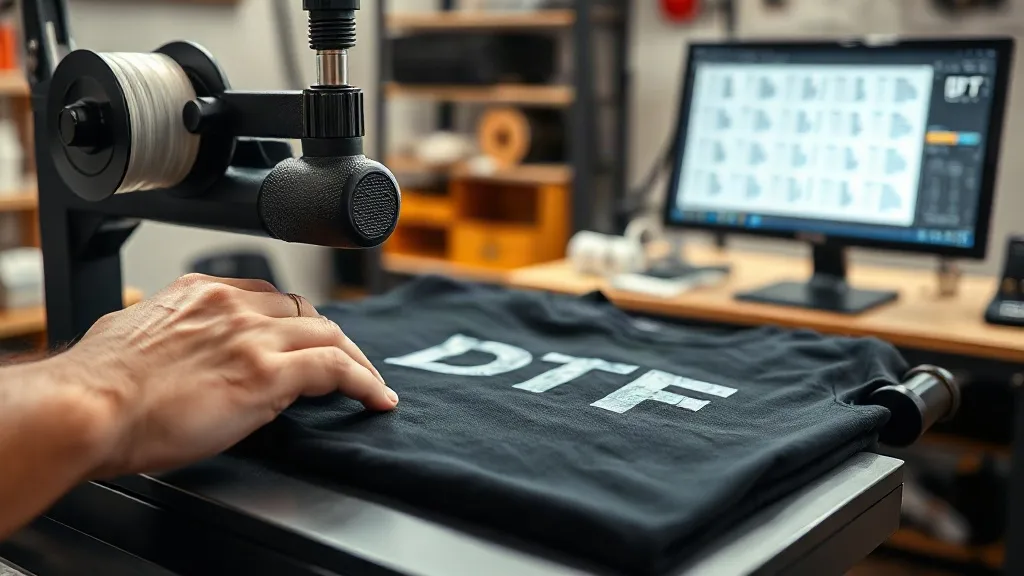
When you pull a DTF transfer off the press and peel the film, you want to see crisp edges, vivid colors, and a print that feels like it's part of the fabric. But achieving that consistently on shaka wear blanks takes more than just following a generic settings chart. Shaka Wear's tees have specific fabric compositions and weights that interact with DTF in ways that can surprise even experienced printers. This guide dives into the heat press settings that work best for Shaka Wear, based on hands-on testing and feedback from shops that run these blanks daily.
Why Shaka Wear Blanks Demand a Closer Look
Shaka Wear is known for its heavyweight cotton and cotton-poly blends, often used for streetwear and retail-quality garments. These fabrics are denser than standard tees, which affects how heat and pressure distribute during transfer. A setting that works on a 4.5 oz jersey might leave a faint, undercured print on a 6.5 oz Shaka tee. Understanding the fabric's behavior is the first step to dialing in your press.
Fabric Composition and DTF Adhesion
Most Shaka Wear tees are 100% cotton or a cotton-poly blend. Cotton provides excellent adhesion for DTF powders, but the heavier weight means the fabric doesn't compress as easily. Poly blends, on the other hand, can be more sensitive to high temperatures. Knowing the exact blend of your blank helps you set the right temperature and pressure.
Weight and Texture: What It Means for Pressure
The heavier the fabric, the more pressure you need to ensure the adhesive penetrates the fibers. But too much pressure can cause the transfer to spread or the fabric to scorch. Shaka Wear's heavyweight tees typically require medium to firm pressure, while lighter styles may need a lighter touch. We'll break down specific recommendations later.
Essential Heat Press Settings for Shaka Wear
These settings are starting points. Always test on a scrap piece of the same fabric before running a full production batch.
- Temperature: 320°F to 340°F (160°C to 170°C). For 100% cotton Shaka Wear, aim for 340°F. For blends, reduce to 320°F to avoid scorching.
- Pressure: Medium to firm (4-6 on a 1-10 scale). Heavyweight fabrics need more pressure to ensure the adhesive bonds with the fibers.
- Time: 10-15 seconds for the press, plus 5-10 seconds for a second press after peeling. Thicker fabrics may need the longer end of the range.
- Peel: Always peel cold. DTF transfers on Shaka Wear adhere better when allowed to cool completely before peeling the film.
These settings are a baseline. Factors like humidity, press type, and transfer quality can shift the sweet spot. Keep reading for troubleshooting and fine-tuning.
Step-by-Step: Pressing DTF on Shaka Wear
Follow this sequence to maximize adhesion and print quality.
- Pre-press the garment: 3-5 seconds to remove moisture. This step is critical for heavyweight fabrics that retain more moisture.
- Position the transfer: Place the DTF transfer with the printed side down on the fabric. Use heat-resistant tape if needed.
- Press: Apply medium-firm pressure for 10-15 seconds at 320-340°F.
- Cool: Remove the garment from the press and let it cool completely (about 30 seconds).
- Peel: Peel the film slowly at a low angle. If the print lifts, re-press for 5 seconds and cool again.
- Post-press: Cover with parchment paper or a Teflon sheet and press for another 5-10 seconds to set the ink into the fabric.
This process works for most Shaka Wear styles, but adjustments may be needed for specific blends.
Fine-Tuning for Different Shaka Wear Styles
Not all Shaka Wear blanks are created equal. Here's how to adjust for popular styles.
100% Cotton Tees
Cotton is forgiving but requires higher temperature for optimal adhesion. Use 340°F and firm pressure. Pre-press well to remove wrinkles and moisture. Post-press is especially important to ensure the print withstands washing.
Cotton-Poly Blends
Blends can be sensitive to heat. Lower the temperature to 320°F and reduce pressure slightly to avoid scorching. Always test a small area first. Some blends may require a shorter press time (10 seconds) to prevent the fabric from becoming shiny.
Heavyweight and Garment-Dyed Fabrics
Heavyweight fabrics like Shaka Wear's 7 oz tees need extra pressure and time. Increase pressure to firm and press for 15 seconds. Garment-dyed fabrics may have a softer hand; use a lower temperature (320°F) to avoid altering the dye.
Common Pitfalls and How to Avoid Them
Even with the right settings, issues can arise. Here's what to watch for.
- Under-cured prints: If the print washes off, you likely didn't use enough temperature or pressure. Increase both slightly and ensure you post-press.
- Scorching: Too much heat or pressure can leave shiny marks or burn the fabric. Reduce temperature by 10°F and test again.
- Peeling edges: This often happens if the garment wasn't cooled before peeling. Always wait for the fabric to cool completely.
- Inconsistent adhesion: Ensure the fabric is flat and wrinkle-free before pressing. Pre-press helps with this.
If problems persist, check the quality of your DTF transfers. Using a reliable DTF Gangsheet Builder ensures consistent ink laydown and powder application, which directly affects how well the transfer performs on Shaka Wear.
Maximizing Durability and Print Quality
Shaka Wear blanks are an investment; you want the print to last as long as the shirt. These practices extend the life of your DTF prints.
- Wash inside out in cold water: This reduces abrasion on the print.
- Avoid fabric softeners: They can break down the adhesive over time.
- Tumble dry low or hang dry: High heat can cause cracking.
- Store properly: Keep finished garments flat or folded to avoid pressure on the print.
Also, consider using a DTF Gangsheet Builder to optimize your transfer layouts. Efficient gangsheets reduce waste and ensure consistent quality across all your Shaka Wear orders.
Frequently Asked Questions
What heat press temperature works best for Shaka Wear 100% cotton tees?
For 100% cotton Shaka Wear tees, set your press to 340°F (170°C). This higher temperature ensures the adhesive fully penetrates the dense cotton fibers. Always pre-press the garment to remove moisture, and use firm pressure for 15 seconds. Post-press for 5-10 seconds after peeling to set the ink.
Can I use the same settings for cotton-poly blends from Shaka Wear?
No, cotton-poly blends require lower heat to prevent scorching. Reduce temperature to 320°F (160°C) and use medium pressure. Press for 10-12 seconds and always peel cold. Test on a scrap piece first, as some blends may need slight adjustments.
Why does my DTF print crack after washing on Shaka Wear shirts?
Cracking usually indicates under-curing or insufficient pressure. Ensure you are using the correct temperature and pressure for the fabric type. Also, always post-press the transfer after peeling to embed the ink into the fibers. Washing inside out in cold water also helps prevent cracking.
How do I prevent scorching on Shaka Wear garment-dyed tees?
Garment-dyed fabrics are more sensitive to heat. Lower your press temperature to 320°F (160°C) and use medium pressure. Pre-press for only 3 seconds to avoid over-drying. Consider using a Teflon sheet or parchment paper between the press and the garment for extra protection.
What pressure setting should I use for heavyweight Shaka Wear tees?
Heavyweight tees (like 7 oz styles) require firm pressure to ensure the adhesive bonds with the thick fabric. Set your press to a 6 out of 10 pressure. If you have a pneumatic press, aim for 40-60 PSI. Always test with a scrap piece to confirm adhesion.