
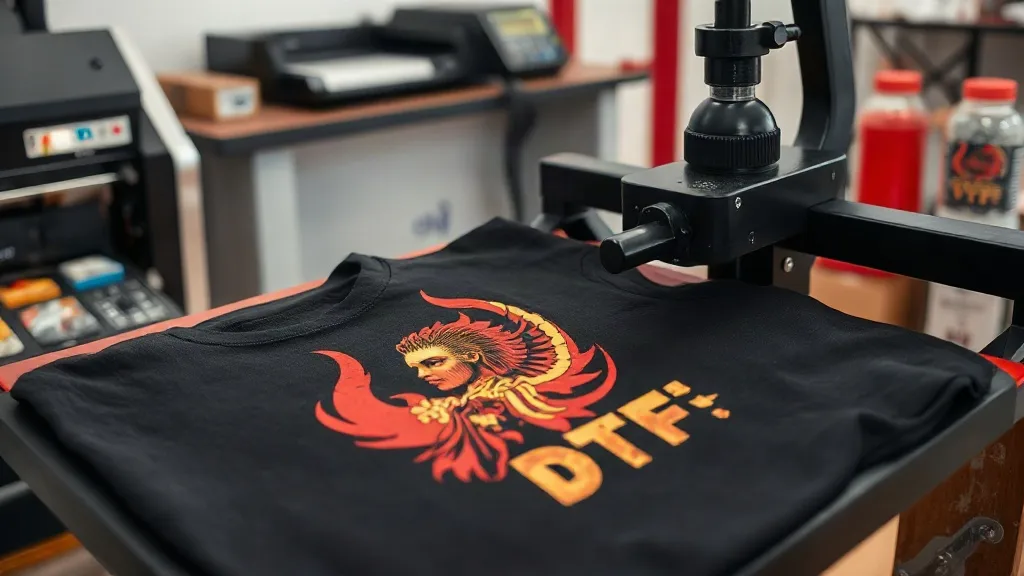
You have probably seen the excitement of a perfect dtf transfers print: vibrant colors, soft hand, and a durable finish that survives countless washes. But if you have spent any time in a print shop, you also know the frustration of a transfer that peels, cracks, or looks dull. The difference between a professional result and a disappointing one often comes down to small details that are easy to overlook.
This guide is not about the basics of what DTF is or how to get started. Instead, we focus on the mistakes that even experienced printers make and the practical steps to avoid them. Whether you are running a small apparel business or just trying to get consistent results for your customers, these insights will help you troubleshoot problems before they cost you time and money.
The Hidden Culprit: Moisture and Humidity
One of the most overlooked factors in DTF printing is moisture. Excessive humidity in the air or damp garments can wreak havoc on the transfer process. When the adhesive powder absorbs moisture, it can clump and fail to melt properly, leading to poor adhesion and a rough texture. Similarly, printing on a shirt that is not completely dry can cause the transfer to bubble or peel.
To combat this, store your dtf supplies in a dry environment. Use a dehumidifier in your print room if necessary, and always pre-press garments to remove any residual moisture before applying the transfer. A simple pre-press for 5-10 seconds at the recommended temperature can make a world of difference.
Getting the Powder Right: Application and Curing
Adhesive powder is the unsung hero of DTF printing, but it is also a common source of problems. Too little powder and the transfer will not stick; too much and you get a stiff, plasticky feel. The key is even distribution. After printing, while the ink is still wet, apply the powder generously and then shake off the excess. You can use a powder shaker for more control, but many printers simply dunk the film into a tray of powder and then tap off the excess.
Curing is equally critical. The powder needs to melt completely to form a proper bond. Under-curing results in a grainy texture and poor wash durability, while over-curing can cause the film to warp or the powder to scorch. Follow the powder manufacturer's recommendations for temperature and time, and invest in an infrared thermometer to ensure your oven or heat press is accurate.
Pressing Parameters: Pressure, Temperature, and Time
Even with a perfect transfer, incorrect pressing can ruin the final product. Here are the key parameters to monitor:
- Pressure: Medium to high pressure is essential for DTF. Too little pressure and the transfer will not adhere properly; too much and the ink can spread, causing a blurred image.
- Temperature: Typically around 300-320°F (150-160°C). Always verify with a heat gun or thermometer, as press dials can be inaccurate.
- Time: 10-15 seconds is common, but this can vary based on the transfer size and press. Always do a test press.
Additionally, consider the peel method. DTF transfers are usually peeled cold or warm, depending on the film. Cold peel is more common for DTF because it allows the adhesive to set completely, resulting in a smoother finish. Always check the instructions provided with your film.
Choosing the Right Film and Ink
Not all DTF films are created equal. Cheaper films may have inconsistent coating, leading to ink spreading or poor powder adhesion. Similarly, using low-quality ink can result in faded colors or clogged printheads. Invest in reputable brands and test new supplies before committing to a large order. If you are looking for reliable dtf transfers near me, do your research and read reviews from other printers.
Troubleshooting Common Issues
Why is my transfer cracking after washing?
Cracking usually indicates insufficient powder or under-curing. Ensure the powder is evenly applied and fully melted. Also, check that the garment was properly pre-pressed to remove moisture.
Why does the transfer peel off in the wash?
This could be due to inadequate pressure during pressing, or the transfer was peeled too early. Allow the transfer to cool completely before peeling. Also, verify that the garment is compatible with DTF (some fabrics with heavy coatings repel the adhesive).
Why are the colors dull?
Dull colors can result from low-quality ink, incorrect color profiles, or insufficient curing. Make sure your printer is using the correct ICC profile and that the ink is within its shelf life. Also, ensure the powder is not scorched during curing, as this can yellow the image.
Frequently Asked Questions
How do I store DTF transfers to prevent moisture damage?
Store unused transfers in a cool, dry place, ideally in a sealed bag with silica gel packets. Avoid exposing them to direct sunlight or high humidity.
Can I use DTF transfers on dark and light fabrics?
Yes, DTF transfers work on both dark and light fabrics. The white ink layer provides opacity on dark garments, while on light garments, the colors remain vibrant without a white base.
What is the best way to remove a DTF transfer if I make a mistake?
If you catch the mistake immediately after pressing, you can sometimes peel the transfer off while it is still hot. For fully cured transfers, you may need to use a heat press with a pressing pillow and a solvent like acetone, but this can damage the fabric, so proceed with caution.
How long do DTF transfers last?
With proper application and care, DTF transfers can last as long as the garment itself, often 50+ washes. Always follow care instructions: wash inside out, cold water, and avoid harsh detergents.
Do I need a special printer for DTF?
Yes, DTF requires a printer with DTF ink (usually pigment-based) and a powder shaker and curing oven. However, you can also buy pre-printed transfers from suppliers if you prefer not to invest in the equipment.
By paying attention to these details, you can avoid the most common pitfalls and achieve professional, durable results with dtf transfers. Remember, consistency comes from careful testing and attention to the environment and materials.