Every DTF print shop runs on three pillars: ink, powder, and film. Get them right, and you'll produce vibrant, durable transfers that keep customers coming back. Get them wrong, and you'll waste time, money, and materials on prints that crack, fade, or peel. This guide breaks down each component, explains how they interact, and offers practical tips to help you choose the best supplies for your shop.
The Role of Ink in DTF Printing
DTF ink is not your average inkjet ink. It's a specially formulated pigment-based ink that must withstand high temperatures and adhere to the adhesive powder. The quality of your ink directly affects color vibrancy, opacity, and wash durability. Cheap inks might save you a few bucks upfront, but they often lead to clogged printheads, inconsistent colors, and prints that fade after a few washes.
Choosing the Right Ink Set
When selecting an ink set, look for one that is specifically designed for DTF printing. These inks typically include CMYK plus white, and sometimes additional colors like fluorescent or light shades. The white ink is particularly important because it acts as the base layer on dark garments. A good white ink should be opaque, smooth, and resistant to settling. If your white ink settles quickly, you'll need to agitate it regularly, which can be a hassle in a busy shop.
Another factor to consider is the ink's viscosity and surface tension. These properties affect how well the ink flows through the printhead and how it interacts with the film. Inks that are too thick may cause nozzle clogs, while inks that are too thin may spread and produce fuzzy edges. Always check the manufacturer's recommendations for your specific printer model.
Ink Storage and Maintenance
Proper storage extends the life of your ink and keeps your prints consistent. Store ink cartridges or bottles in a cool, dark place, away from direct sunlight and heat sources. Before installing a new cartridge, gently shake it to redistribute the pigments. If you're using bulk ink systems, make sure the bottles are kept clean and topped up to prevent air from entering the lines.
Regular maintenance is also crucial. Print a nozzle check pattern daily to catch clogs early. If you notice missing lines or streaks, run a cleaning cycle. For stubborn clogs, use a specialized cleaning solution. Neglecting maintenance can lead to permanent damage to your printhead, which is an expensive repair.
The Importance of Powder in DTF
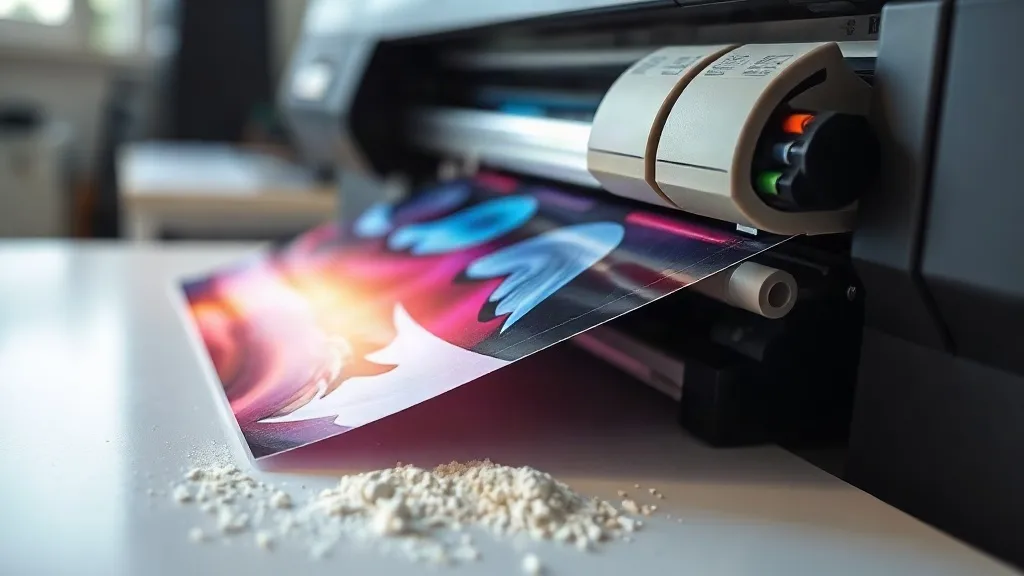
DTF powder, also known as hot melt adhesive powder, is the magic ingredient that allows the printed design to bond to the fabric. After printing, the wet ink is coated with powder, which sticks to the ink. When heated, the powder melts and fuses with the ink, creating a flexible, durable layer that can be transferred to garments.
Types of DTF Powder
There are two main types of DTF powder: fine and coarse. Fine powder (typically 80-200 microns) is ideal for detailed designs because it penetrates the ink more evenly and produces a smoother finish. Coarse powder (200-300 microns) is better for bold, high-opacity prints because it creates a thicker adhesive layer. Some shops use a blend of both to balance detail and durability.
Another consideration is the melting point of the powder. Most DTF powders melt between 100°C and 120°C (212°F to 248°F). Using a powder with a melting point that's too high may result in incomplete fusion, leading to poor adhesion. Conversely, a powder with a very low melting point may become sticky and cause issues during storage.
Applying Powder Correctly
Applying the powder evenly is key to a successful transfer. After printing, while the ink is still wet, sprinkle the powder over the design. Use a powder shaker or a scoop for small batches. For larger runs, consider a powder applicator machine. Once applied, shake off the excess powder and return it to the container for reuse. Be careful not to contaminate the powder with dust or debris.
Excess powder can cause a rough texture on the final print, so always shake off as much as possible. You can also use a soft brush to remove powder from areas where it's not needed. After shaking, cure the powder by heating it with a heat gun or in an oven until it melts and forms a smooth, glossy layer.
Film: The Canvas for Your DTF Transfers
DTF film is a specially coated PET film that receives the ink and powder. It must be able to withstand the heat of the printer and the subsequent powder curing process without warping or melting. The film also needs to release the print cleanly after transfer.
Cold Peel vs. Hot Peel Film
DTF film comes in two main types: cold peel and hot peel. Cold peel film requires the transfer to cool completely before peeling, which can slow down production. Hot peel film allows you to peel the transfer immediately after pressing, speeding up the workflow. Hot peel film is generally more expensive, but the time savings can be worth it for high-volume shops.
When choosing film, consider the thickness and coating. Thinner films are more flexible and conform better to curved surfaces, while thicker films may be more durable but can feel stiff on the garment. The coating on the film determines how well the ink adheres and releases. Always test a new film with your ink and powder combination to ensure compatibility.
Handling and Storing Film
Film is sensitive to moisture and dust. Store it in a cool, dry place, preferably in its original packaging. Avoid exposing film to direct sunlight or high humidity, as this can cause the coating to degrade. When loading film into the printer, handle it by the edges to avoid transferring oils from your skin onto the printing surface.
If you notice static electricity causing the film to stick together, use an anti-static device or simply separate the sheets carefully. Static can also attract dust, so keep your workspace clean and consider using an air purifier.
How Ink, Powder, and Film Work Together
The interplay between ink, powder, and film is what makes DTF printing unique. The ink must be compatible with the film's coating to ensure proper adhesion. The powder must match the ink's chemistry to fuse correctly. And the film must release the print without leaving residue. When all three are in harmony, you get a transfer that is vibrant, stretchable, and long-lasting.
One common mistake is mixing brands. While it might be tempting to use the cheapest ink with any film and powder, this can lead to compatibility issues. Always follow the manufacturer's recommendations for your specific printer and supplies. If you're experimenting with new combinations, run a small test print and perform a wash test to verify durability.
Practical Tips for Consistent Results
Even with the best supplies, technique matters. Here are some tips to help you achieve consistent, professional results:
- Maintain your printer: Regular cleaning and maintenance prevent clogs and ensure smooth ink flow.
- Control your environment: Humidity and temperature affect ink drying and powder application. Aim for a relative humidity of 40-60% and a temperature of 20-25°C (68-77°F).
- Use a heat press with even pressure: Uneven pressure can cause incomplete transfers or scorched areas. Calibrate your press regularly.
- Test every new batch: Supplies can vary from batch to batch. Always print a test sample and check for color accuracy, adhesion, and wash fastness.
- Keep records: Note the settings and supplies used for each job. This helps you replicate successful prints and troubleshoot issues.
Frequently Asked Questions
What happens if I use the wrong powder with my ink?
Using incompatible powder can result in poor adhesion, cracking, or a cloudy finish. Always use powder that is designed for DTF printing and compatible with your ink type. If unsure, consult your supplier.
Can I reuse excess powder?
Yes, you can reuse excess powder as long as it's clean and free of dust or debris. Store it in an airtight container. However, if the powder has absorbed moisture or become contaminated, discard it to avoid print defects.
How do I prevent film from warping during printing?
Film warping is often caused by excessive heat from the printer or improper storage. Ensure your printer's platen is not too hot, and store film in a cool, dry place. Using a higher-quality film with a stable coating can also help.
What is the shelf life of DTF ink and powder?
Unopened DTF ink typically has a shelf life of 12-18 months, while powder can last up to 2 years if stored properly. Once opened, use ink within 6 months and powder within 1 year for best results.
How can I troubleshoot poor adhesion?
Poor adhesion can be due to insufficient pressure, incorrect temperature, or incompatible supplies. Check your press settings, ensure the powder is fully melted, and verify that the film and ink are compatible. Also, make sure the garment is clean and dry before pressing.
By paying attention to the details of ink, powder, and film, you can elevate the quality of your DTF transfers and build a reputation for excellence. Remember, the best supplies are only as good as the practices behind them. Stay curious, test often, and keep learning.