
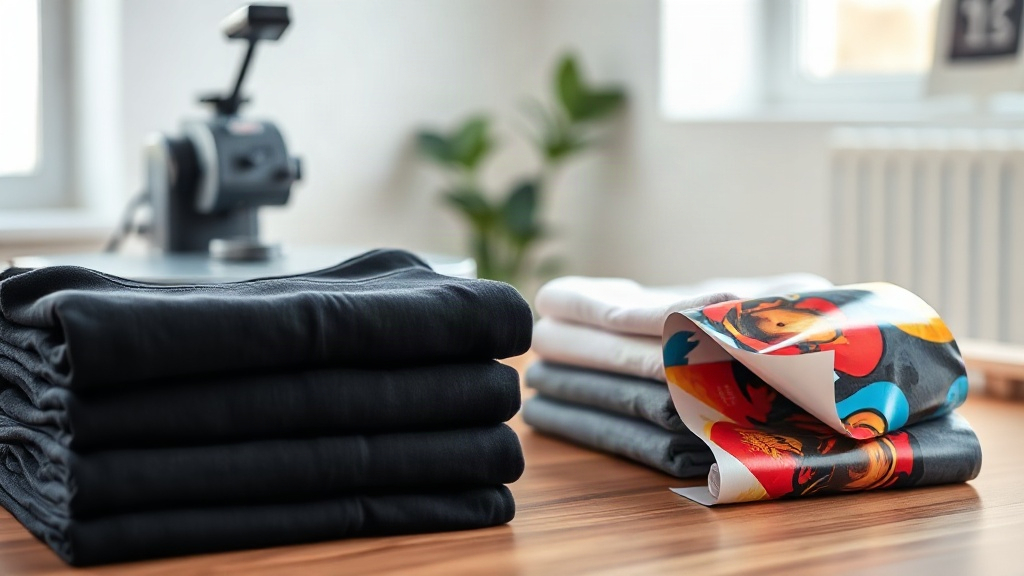
When it comes to DTF transfers, the quality of your blank shirt can make or break your final product. You might have the best printer, the perfect design, and flawless technique, but if your blank isn't up to par, your prints can crack, fade, or feel stiff. That's where Smart Blanks come in. These specially engineered garments are designed to work seamlessly with DTF technology, giving you vibrant colors, soft hand feel, and long-lasting durability. In this guide, we'll dive deep into what makes Smart Blanks ideal for DTF, how to choose the right one for your project, and expert tips to get professional results every time.
What Are Smart Blanks and Why They Matter for DTF Transfers
Smart Blanks are not just any ordinary t-shirts. They are garments specifically manufactured with a focus on compatibility with digital printing methods, especially DTF. Unlike traditional blanks that may have inconsistent fabric blends or heavy finishes, Smart Blanks offer a consistent, smooth surface that allows DTF transfers to adhere perfectly. The magic lies in their construction: they often feature a tighter weave, optimized thread count, and a special finish that promotes ink adhesion while maintaining a soft feel.
Why does this matter? DTF transfers rely on a powdered adhesive that melts into the fabric fibers. If the fabric is too loose, too slick, or has a heavy silicone finish, the adhesive can't grip properly. The result? Prints that peel after a few washes or feel like a plastic patch. Smart Blanks eliminate these issues by providing a receptive surface that locks in the transfer without compromising comfort.
Key Features to Look for in Smart Blanks for DTF
Not all blanks are created equal. When shopping for Smart Blanks, keep these critical features in mind:
- Fabric Content: 100% cotton or high-cotton blends (like 95% cotton, 5% spandex) work best. Polyester can work, but requires lower temperature and pressure to avoid dye migration.
- Weave and Texture: A tight, smooth weave ensures even adhesion. Avoid heavily textured or ribbed fabrics unless you're going for a specific look.
- Weight: Medium to heavy weight (5.3 oz and up) provides a stable base and prevents the transfer from sinking into the fabric.
- Finish: Look for blanks with no silicone softeners or anti-curl finishes, as these can interfere with adhesion.
- Color: Light colors are more forgiving, but with the right DTF film and powder, you can print on darks too. Just ensure the blank is colorfast.
Brands like Shaka Wear have gained popularity for their consistent quality and DTF-friendly features. Their blanks are often used by professionals who demand reliability.
Top Smart Blank Recommendations for DTF Printing
Based on hands-on testing and community feedback, here are some standout Smart Blanks that consistently deliver excellent DTF results:
1. Shaka Wear Heavyweight Cotton Tee
Shaka Wear is a favorite among DTF printers for good reason. Their heavyweight cotton tees (like the SHMHSS model) offer a tight knit that holds transfers beautifully. The fabric is pre-shrunk, so you won't experience unexpected shrinkage after washing. Plus, the smooth surface means your DTF prints look crisp and vibrant.
2. Next Level Apparel 6210
This tri-blend (50% polyester, 25% cotton, 25% rayon) is a bit of a wildcard, but when paired with low-temperature DTF settings, it yields a soft, vintage look. The key is to use a low-melt powder and press at 280°F for 10 seconds.
3. Bella+Canvas 3001
An industry standard, the 3001 is 100% Airlume combed and ring-spun cotton. It's known for its softness and takes DTF transfers well, though some users report slight dye migration on darker colors. A quality DTF film with a good white layer mitigates this.
How to Prepare Smart Blanks for DTF Transfers
Even the best blank needs proper preparation. Follow these steps for optimal adhesion:
- Pre-press the garment: This removes moisture and wrinkles. Press for 5-7 seconds at 300°F.
- Position the transfer: Place your DTF transfer with the adhesive side down. Use heat tape to secure it if needed.
- Press: Set your heat press to 300-325°F (depending on fabric) and medium pressure. Press for 10-15 seconds.
- Peel: Wait for the transfer to cool completely (cold peel) for a matte finish, or peel hot for a glossy look. Most DTF transfers are cold peel.
- Post-press: For extra durability, cover with parchment paper and press again for 5 seconds.
Always test on a scrap piece first, especially with new blanks or transfer films.
Common Mistakes to Avoid with Smart Blanks and DTF
Even seasoned pros make these errors. Avoid them to save time and money:
- Using too much pressure: This can cause the adhesive to spread too thin, leading to a stiff feel and poor washability.
- Not pre-pressing: Skipping this step traps moisture, causing bubbles and weak adhesion.
- Ignoring fabric type: Not all blanks are DTF-friendly. Always check the fabric content and test.
- Over-stretching: If the garment stretches during pressing, the print may crack. Keep it flat.
Frequently Asked Questions About Smart Blanks and DTF Transfers
Can I use DTF transfers on 100% polyester Smart Blanks?
Yes, but you need to adjust your settings. Polyester is sensitive to heat, so lower the temperature to around 280°F and reduce pressure. Also, use a DTF film designed for low-temperature application to prevent dye migration and scorching.
How do I prevent DTF prints from cracking on Smart Blanks?
Cracking usually happens due to insufficient pressure, incorrect temperature, or stretching the garment before the transfer fully cools. Ensure you follow the recommended settings and allow the transfer to cool completely before peeling. Also, choose a high-quality DTF film and powder.
Are Smart Blanks more expensive than regular blanks?
Not necessarily. While some specialized DTF blanks may cost slightly more, many affordable options like Shaka Wear offer excellent value. The key is to find a blank that balances quality and price for your target market.
How long do DTF transfers last on Smart Blanks?
With proper application and care, DTF transfers can last 50+ washes. To maximize longevity, wash inside out in cold water, avoid bleach, and tumble dry on low. Following the manufacturer's instructions for both the blank and the transfer is crucial.
What is the best way to store Smart Blanks before printing?
Store them in a cool, dry place away from direct sunlight. Keep them folded or hung to avoid wrinkles. If they get wrinkled, pre-press before applying the transfer.
Final Thoughts
Choosing the right blank is half the battle in DTF printing. Smart Blanks give you a reliable foundation for vibrant, durable prints that your customers will love. Whether you go with Shaka Wear or another trusted brand, always test and adjust your process. With the tips in this guide, you're well on your way to mastering DTF transfers on Smart Blanks.