
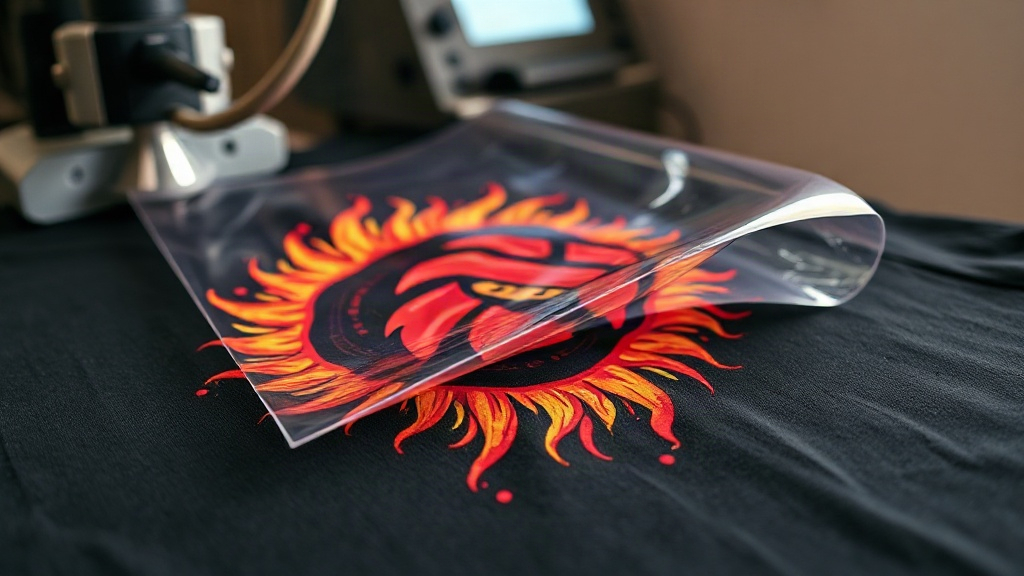
Imagine pressing a vibrant, full-color design onto a cotton t-shirt in minutes, with no weeding, no cutting, and no color limitations. That's the promise of DTF transfers, a technology that has rapidly become a favorite among apparel decorators, from hobbyists to large-scale print shops. Unlike traditional methods that require multiple steps and specialized equipment, DTF transfers streamline the process, making custom apparel more accessible and profitable than ever. Whether you're running a small Etsy shop or a bustling print-on-demand business, understanding DTF transfers can give you a competitive edge.
What Are DTF Transfers?
DTF stands for Direct to Film. It's a printing method where your design is printed onto a special film, coated with a thermoplastic adhesive powder, and then heat-pressed onto fabric. The result is a durable, stretchable, and incredibly detailed transfer that bonds permanently to the material. Unlike DTG (Direct to Garment) printing, which requires pre-treatment and works best on 100% cotton, DTF transfers adhere to a wide range of fabrics, including cotton, polyester, blends, and even nylon. This versatility opens up a world of possibilities for customizing everything from t-shirts and hoodies to tote bags and denim jackets.
How DTF Transfers Work: Step by Step
Understanding the process helps you appreciate the magic behind DTF transfers. Here's a breakdown of the key steps:
- Design Preparation: Your artwork is prepared in a RIP software, which manages color profiles and ensures the print will be vibrant and accurate. The design is printed in mirror image onto a PET film.
- Printing: A DTF printer uses CMYK plus white ink to print the design onto the film. The white ink acts as a base, allowing the colors to pop on both light and dark fabrics.
- Powdering: While the ink is still wet, a fine thermoplastic powder is applied evenly over the print. The excess powder is shaken off, leaving a thin layer adhered to the ink.
- Curing: The film is then heated to melt the powder, creating a smooth, adhesive layer. This step is crucial for durability and washability.
- Transfer: Once cured, the transfer is placed onto the fabric and pressed with a heat press at a specific temperature and pressure. After cooling, the film is peeled away, leaving the design bonded to the fabric.
Why Choose DTF Transfers for Your Custom Apparel?
DTF transfers offer a compelling set of advantages that make them a go-to choice for many businesses and creators. Let's explore the key benefits:
Unmatched Versatility
One of the biggest draws is the ability to print on virtually any fabric. Cotton, polyester, blends, spandex, leather, and even treated nylon can all receive DTF transfers. This means you can offer a wider range of products without investing in multiple printing technologies. Additionally, DTF transfers work on both light and dark garments without the need for separate white underbase screens or pre-treatment, simplifying production.
Vibrant, High-Detail Prints
DTF printers produce incredibly sharp and colorful prints, capturing fine details, gradients, and photographic images with ease. The white ink layer ensures that colors remain vibrant even on dark backgrounds, and the final transfer has a soft, stretchable feel that moves with the fabric. Unlike vinyl, DTF transfers don't have a plastic-y hand and won't crack or peel after repeated washes when applied correctly.
Cost-Effective for Short Runs
For small batches or one-off items, DTF transfers are far more economical than screen printing, which requires setup costs for each color and screen. With DTF, you can print a single transfer or hundreds at a similar cost per unit, making it ideal for print-on-demand, personalized gifts, and sampling. There's no minimum order quantity, so you can test designs without committing to large inventories.
Ease of Use and Quick Turnaround
Once you have a DTF printer and a heat press, the process is straightforward. You can go from digital file to finished product in under 10 minutes, which is perfect for last-minute orders or live events. The learning curve is relatively gentle, and many suppliers offer ready-to-press transfers if you prefer not to invest in printers and powders.
DTF Transfers vs. Other Decoration Methods
How do DTF transfers stack up against traditional techniques? Here's a quick comparison:
- DTF vs. DTG: DTG requires pre-treatment and works best on 100% cotton. DTF works on almost any fabric and doesn't need pre-treatment, but DTG can be more cost-effective for large runs on cotton.
- DTF vs. Screen Printing: Screen printing is cost-effective for large orders with few colors, but DTF wins for detailed, multi-color designs and short runs. DTF also eliminates the need for screens and cleanup.
- DTF vs. Vinyl: Vinyl is great for simple text and shapes, but DTF handles complex, full-color images with ease. DTF transfers are also more durable and stretchable.
- DTF vs. Sublimation: Sublimation only works on polyester or specially coated surfaces and requires white fabric for bright colors. DTF works on cotton and dark fabrics, making it more versatile.
Expert Tips for Flawless DTF Transfers
To get the best results with DTF transfers, keep these tips in mind:
- Choose the right film: Not all DTF films are created equal. Look for films designed for your printer and ink type. Double-sided matte film is popular for its easy handling.
- Control humidity: DTF powder can clump in high humidity. Store powder in an airtight container and work in a dry environment.
- Press parameters: Follow the recommended temperature, pressure, and time for your specific transfer and fabric. Typically, 325°F for 15 seconds with medium pressure works, but always test.
- Peel technique: Most DTF transfers are cold peel, meaning you wait for the transfer to cool completely before peeling. This ensures the adhesive sets properly.
- Wash care: Instruct customers to wash garments inside out in cold water and avoid fabric softeners to prolong the life of the transfer.
Common Challenges and How to Overcome Them
Even with a great setup, you might encounter issues. Here are solutions to common DTF problems:
Transfer Not Adhering
If the transfer peels off, it could be due to insufficient pressure, incorrect temperature, or the fabric having a coating (like water repellent). Increase pressure, verify temperature with an infrared gun, and pre-press the garment to remove moisture.
Dull or Faded Colors
This often happens when the white ink layer is too thin or the powder isn't fully cured. Ensure your printer is producing a sufficient white base and that the powder is melted completely. Also, check that your heat press is consistent across the platen.
Powder Clumping or Excess
Clumping can occur if the powder absorbs moisture. Store it properly and consider using a dehumidifier in your workspace. Excess powder can lead to a rough feel, so shake off any excess thoroughly before curing.
Frequently Asked Questions About DTF Transfers
How long do DTF transfers last?
When applied correctly, DTF transfers can last as long as the garment itself. They are durable through multiple washes, typically 50+ cycles, if cared for properly. Avoid ironing directly on the transfer and wash inside out.
Can I use DTF transfers on 100% polyester?
Yes, DTF transfers work well on polyester and polyester blends. However, because polyester is heat-sensitive, you may need to lower the press temperature slightly (around 300°F) to avoid scorching. Always test on a scrap piece first.
Do I need a special printer for DTF transfers?
You can convert a standard inkjet printer to use DTF inks, but for best results, a dedicated DTF printer with white ink channels is recommended. Alternatively, you can purchase pre-printed DTF transfers from suppliers and just use a heat press.
What fabrics are not suitable for DTF transfers?
Fabrics with a heavy water-repellent coating, such as some outdoor gear, may prevent proper adhesion. Also, materials that cannot withstand heat (like certain synthetics) are not ideal. Always test a small area.
How do I store unused DTF transfers?
Store them in a cool, dry place away from direct sunlight. Keep them flat or rolled, not folded, to prevent creases. Properly stored transfers can last for several months.
DTF transfers have revolutionized the custom apparel industry by offering unparalleled versatility, vibrant prints, and cost-effective short runs. Whether you're a seasoned decorator or just starting out, incorporating DTF into your workflow can expand your offerings and delight your customers. With the right knowledge and a bit of practice, you'll be creating stunning, durable designs that stand out from the crowd.