
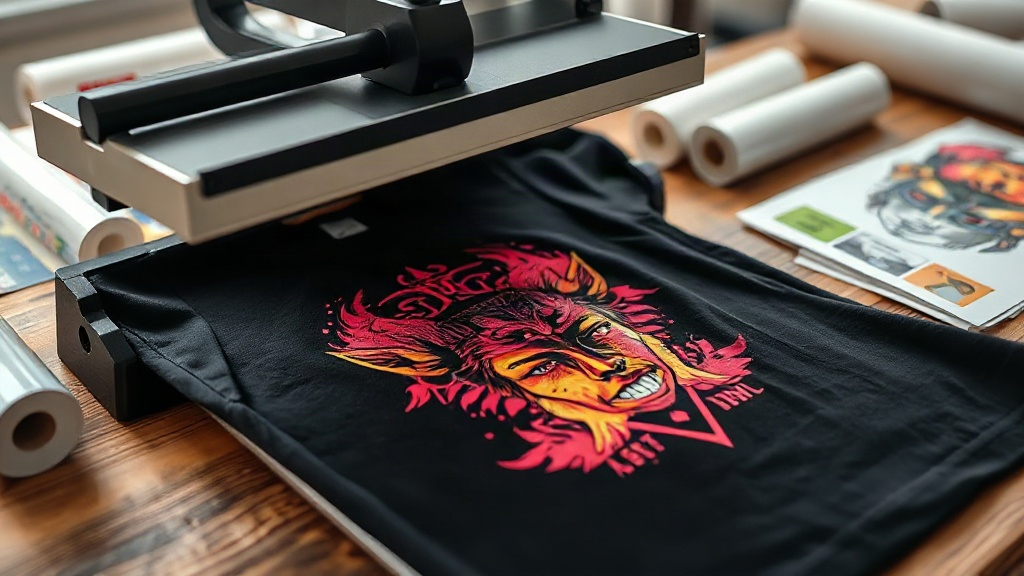
When you first encounter DTF Transfers, you might wonder what all the fuss is about. After all, heat transfer printing has been around for decades. But DTF, which stands for Direct to Film, is a game-changer that combines the simplicity of heat transfer with the versatility of digital printing. Whether you're a small business owner looking to expand your product line or a hobbyist wanting to create custom apparel, understanding DTF transfers can open up a world of possibilities. In this guide, we'll walk you through everything you need to know, from the basics to advanced tips, so you can achieve professional results every time.
What Are DTF Transfers?
DTF transfers are printed designs on a special PET film using water-based inks. The process involves printing your design onto the film, applying a hot-melt adhesive powder, and then curing it. Once prepared, the transfer can be applied to fabric using a heat press. Unlike other methods, DTF transfers can adhere to a wide range of materials, including cotton, polyester, blends, and even leather. The result is a soft, stretchable print that withstands repeated washing.
The DTF Printing Process Explained
The DTF process starts with a digital design. The printer lays down a layer of white ink, followed by CMYK colors. This white base is crucial because it allows the design to show up vividly on dark fabrics. After printing, the film is dusted with adhesive powder, which is then melted into the ink using a heat source. The transfer is now ready to be applied. When you press it onto fabric, the adhesive bonds with the fibers, creating a permanent hold.
Why Choose DTF Transfers Over Other Methods?
If you've tried screen printing or vinyl, you know their limitations. Screen printing is cost-effective for large orders but requires separate screens for each color and doesn't handle gradients well. Vinyl is great for simple designs but can't reproduce complex images. DTF transfers bridge these gaps. They offer:
- No color limitations: Print photorealistic images with millions of colors.
- No weeding: Unlike vinyl, there's no tedious cutting and weeding.
- Works on various fabrics: From 100% cotton to polyester and blends.
- Durability: Prints resist cracking, peeling, and fading.
- Soft feel: The prints are thin and stretch with the fabric.
For small businesses, DTF transfers mean you can offer custom apparel without investing in expensive screen printing equipment. You can print one-off designs or small batches profitably.
How to Apply DTF Transfers: Step-by-Step
Applying DTF transfers is straightforward, but following the correct steps ensures a long-lasting result. Here's what you need to do:
- Preheat your heat press: Set the temperature to 325°F (160°C) for cotton, or 300°F (150°C) for polyester. Preheat the fabric for a few seconds to remove moisture.
- Position the transfer: Place the DTF transfer on the fabric with the printed side facing up. The film backing should be on top.
- Press: Apply medium to firm pressure for 15-20 seconds. Use a teflon sheet or parchment paper over the transfer to protect it.
- Peel: Wait for the transfer to cool completely before peeling off the film. This is called a cold peel. Peeling while hot can cause the design to lift.
- Post-press: For extra durability, press the design again for 5-10 seconds with a cover sheet.
Always test on a scrap piece of fabric first to dial in your press settings.
Common Mistakes to Avoid
Even experienced crafters make mistakes. Here are pitfalls to watch out for:
- Insufficient pressure: If the pressure is too low, the adhesive won't bond properly, leading to peeling.
- Wrong temperature: Too hot and the film may melt or the ink may scorch; too cold and the adhesive won't activate.
- Peeling too soon: Always wait for the transfer to cool. Patience is key.
- Not pre-pressing: Moisture in the fabric can cause steam and ruin the transfer.
Choosing the Right DTF Transfer Supplies
Not all DTF supplies are created equal. The quality of your film, ink, and powder directly affects the outcome. Look for films that are coated for high ink release and powders with a low melting point for smooth adhesion. Inks should be vibrant and compatible with your printer. If you're outsourcing, choose a reputable DTF transfer provider that uses quality materials.
DTF vs. DTG: What's the Difference?
Direct to Garment (DTG) printing is another popular method. DTG prints directly onto the fabric, which works well for cotton but struggles with polyester. DTF transfers, on the other hand, can be applied to almost any fabric and offer more consistent results. DTF also allows you to prepare transfers in advance and store them, making it ideal for on-demand production.
Tips for Long-Lasting DTF Prints
To ensure your DTF transfers stand the test of time, follow these care instructions:
- Wash inside out in cold water.
- Avoid bleach and fabric softeners.
- Tumble dry on low or hang dry.
- Iron on the reverse side, never directly on the print.
With proper care, DTF prints can last as long as the garment itself.
Frequently Asked Questions About DTF Transfers
Can I use DTF transfers on dark colors?
Absolutely. DTF transfers include a white ink layer that acts as a base, allowing vibrant colors to pop on dark fabrics. This is one of the biggest advantages over DTG, which often requires a white underbase that can feel thick.
How do I store unused DTF transfers?
Store them in a cool, dry place away from direct sunlight. Keep them flat to prevent creasing. If stored properly, they can last for several months without losing quality.
What fabrics work best with DTF transfers?
DTF transfers work on cotton, polyester, blends, nylon, and even leather. However, fabrics with a very rough texture or heavy coating may not adhere as well. Always test on a sample first.
Do I need a special printer for DTF?
Yes, DTF requires a printer that uses DTF inks and can handle PET film. Many people modify Epson printers for DTF, but you can also buy dedicated DTF printers. Alternatively, you can order transfers from a service.
How long does it take to apply a DTF transfer?
The actual pressing takes about 15-20 seconds, plus cooling time. Including setup, you can apply a transfer in under a minute once you're experienced.
DTF transfers are revolutionizing the custom apparel industry with their versatility and ease of use. Whether you're printing t-shirts for your brand or creating personalized gifts, mastering DTF transfers will set you apart. With the right supplies and techniques, you'll achieve professional-quality prints that impress your customers and stand up to everyday wear.