
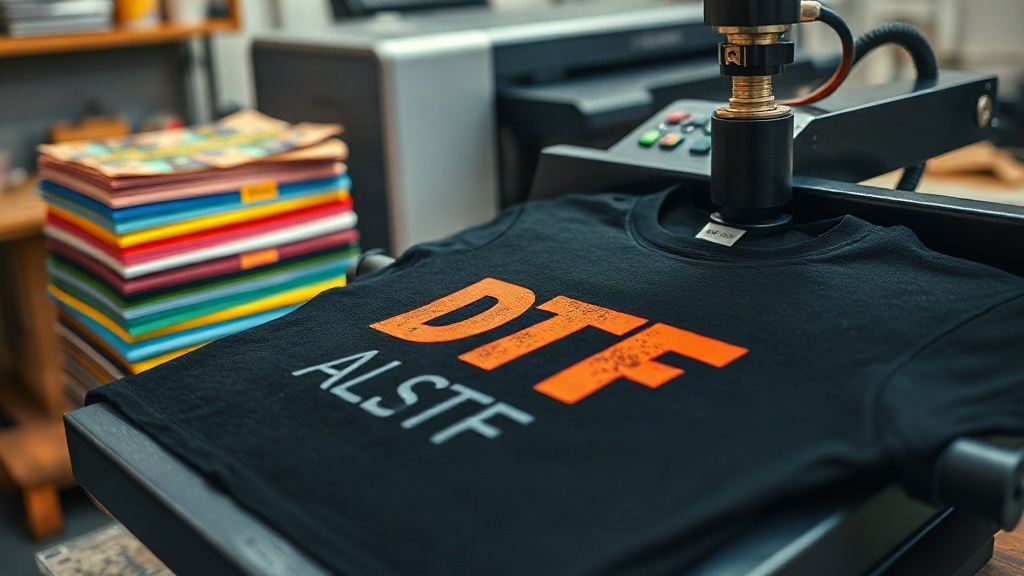
If you've been in the custom apparel game for any length of time, you've likely heard the buzz around DTF Transfers. This innovative printing method has taken the industry by storm, offering unparalleled versatility and vibrant results. Unlike traditional methods that require specific fabrics or complicated setups, DTF transfers open up a world of possibilities for creators, small businesses, and hobbyists alike. But what exactly are they, and why should you consider them for your next project? In this guide, we'll dive deep into the world of DTF transfers, covering everything from the basics to advanced tips, so you can achieve professional-quality prints every time.
What Are DTF Transfers?
DTF stands for Direct-to-Film. It's a printing technology where your design is printed onto a special PET film using water-based inks, then coated with a hot-melt adhesive powder. Once the powder is cured, the transfer is ready to be applied to a garment using a heat press. The magic happens when the adhesive melts, bonding the ink to the fabric. This process allows for incredibly detailed, full-color designs without the limitations of screen printing or the color restrictions of vinyl.
One of the standout features of DTF transfers is their ability to adhere to a wide range of materials, including cotton, polyester, blends, and even leather. That means you're not confined to 100% cotton like you are with traditional DTG printing. Whether you're working with a tri-blend tee or a nylon jacket, DTF transfers have you covered.
Why Choose DTF Transfers?
There are several compelling reasons why DTF transfers have become a go-to solution for many in the custom apparel industry. Let's break down the key benefits:
- Versatility: Works on virtually any fabric, including dark and light colors, without the need for pre-treatment.
- Durability: When applied correctly, DTF prints can withstand numerous washes without fading, cracking, or peeling.
- Vibrant Colors: The water-based inks produce rich, opaque colors that pop, even on dark backgrounds.
- No Weeding: Unlike vinyl, there's no tedious weeding process. You simply print, powder, cure, and press.
- Cost-Effective for Small Runs: DTF is ideal for short runs and one-offs, as there are no minimum order quantities or setup fees.
- Stretchability: The prints stretch with the fabric, making them perfect for athletic wear and stretchy materials.
These advantages make DTF transfers a powerful tool for anyone looking to create custom apparel, from side hustles to established brands.
How DTF Transfers Work: Step by Step
Understanding the process behind DTF transfers can help you troubleshoot issues and achieve better results. Here's a breakdown of the steps involved:
- Design Preparation: Create your artwork in a graphic design software. Ensure it's mirrored (flipped horizontally) before printing, as the transfer will be pressed face-down onto the garment.
- Printing: The design is printed onto a special PET film using a DTF printer equipped with CMYK and white inks. The white ink acts as a base, allowing the colors to show up vividly on any fabric color.
- Powdering: While the ink is still wet, a hot-melt adhesive powder is applied evenly over the printed area. The excess powder is then shaken off.
- Curing: The film with the powder is placed in a curing oven or under a heat press to melt the powder, creating a smooth, adhesive layer.
- Transfer: The cured transfer is placed onto the garment and pressed with a heat press at a specific temperature and pressure for a set time. Once cooled, the film is peeled away, leaving the design bonded to the fabric.
Each step is crucial, and attention to detail will determine the quality and longevity of your prints.
DTF vs. Other Printing Methods
To truly appreciate DTF transfers, it helps to compare them to other popular printing methods. Here's how DTF stacks up against DTG, screen printing, and vinyl:
DTF vs. DTG
DTG (Direct-to-Garment) printing is great for 100% cotton and offers a soft hand feel, but it requires pre-treatment and can struggle with polyester and dark colors. DTF, on the other hand, works on almost any fabric and doesn't need pre-treatment. DTF prints also tend to be more durable and vibrant on dark garments.
DTF vs. Screen Printing
Screen printing is the gold standard for large orders, offering excellent durability and cost-efficiency at high volumes. However, it requires separate screens for each color, making it expensive for small runs and complex designs. DTF transfers have no setup costs and can reproduce intricate, multi-color designs with ease, making them ideal for small to medium orders.
DTF vs. Vinyl
Heat transfer vinyl (HTV) is popular for its simplicity and durability, but it requires weeding and layering for multi-color designs. DTF transfers eliminate weeding and can print full-color images in one go. Plus, DTF prints are more stretchable and have a softer feel than layered vinyl.
Choosing the Right DTF Transfer for Your Project
Not all DTF transfers are created equal. When selecting transfers for your project, consider the following factors:
- Film Type: There are different films available, such as cold peel and hot peel. Cold peel transfers are peeled after cooling and are known for their fine detail, while hot peel transfers can be peeled immediately after pressing and are faster to work with.
- Ink Quality: High-quality inks ensure vibrant colors and durability. Look for transfers that use reputable ink brands.
- Adhesive Powder: The quality of the adhesive powder affects the washability and feel of the print. Fine powders generally produce a softer hand.
- Size and Quantity: DTF transfers come in various sizes. For large designs, ensure the transfer is big enough to avoid having to piece it together.
If you're ordering custom transfers, communicate your needs clearly with your supplier to get the best match for your fabric and design.
Application Tips for Flawless DTF Transfers
Getting a perfect DTF transfer requires precision. Here are some expert tips to help you achieve professional results:
- Pre-press the Garment: Always pre-press the garment for a few seconds to remove moisture and wrinkles. This ensures a smooth surface for the transfer.
- Use the Right Settings: Follow the transfer supplier's recommended temperature, pressure, and time. Typically, temperatures range from 300°F to 325°F (150°C to 160°C), with medium to high pressure and 10-15 seconds press time.
- Position Carefully: Place the transfer in the desired location and secure it with heat tape if needed to prevent shifting.
- Press and Peel: After pressing, allow the garment to cool completely before peeling (for cold peel) or peel immediately while hot (for hot peel). Always check the instructions.
- Post-Press for Durability: Some experts recommend a second press with a Teflon sheet or parchment paper for a few seconds to further embed the print and improve washability.
Practice on scrap fabric to dial in your settings before working on final garments.
Common Mistakes to Avoid with DTF Transfers
Even seasoned pros can run into issues. Here are some common pitfalls and how to avoid them:
- Insufficient Pressure: Without adequate pressure, the transfer won't adhere properly, leading to peeling. Make sure your heat press is calibrated.
- Wrong Temperature: Too low, and the adhesive won't melt; too high, and you risk scorching the fabric or film. Always use a reliable heat press with accurate temperature control.
- Not Pre-Pressing: Skipping pre-pressing can result in moisture causing steam, which interferes with adhesion.
- Peeling Too Soon or Too Late: Peeling at the wrong time can cause the design to crack or lift. Know whether your transfer is hot peel or cold peel.
- Ignoring Fabric Type: Some fabrics, like those with heavy coatings or waterproof finishes, may require special handling. Test first.
By avoiding these mistakes, you'll save time, money, and frustration.
Frequently Asked Questions About DTF Transfers
How long do DTF transfers last?
With proper application and care, DTF transfers can last as long as the garment itself. They are highly durable and can withstand 50+ washes if washed inside out in cold water and tumble dried on low or hung to dry.
Can I use DTF transfers on 100% polyester?
Absolutely! DTF transfers work exceptionally well on polyester and polyester blends. In fact, they often outperform other methods on polyester because they don't require pre-treatment and adhere strongly.
Do I need a special printer for DTF transfers?
Yes, DTF printing requires a dedicated DTF printer that uses water-based DTF inks and white ink. However, if you're not ready to invest in a printer, you can order custom DTF transfers from a supplier and apply them with a heat press.
What is the difference between hot peel and cold peel DTF transfers?
Hot peel transfers are peeled immediately after pressing while the transfer is still hot. Cold peel transfers must cool completely before peeling. Hot peel is faster and great for production, while cold peel offers finer detail and a softer feel.
Can I layer DTF transfers?
Yes, you can layer DTF transfers, but it's generally not necessary since DTF can print full-color designs in one go. If you do layer, press the first layer for a few seconds, peel, then apply the second layer.
Final Thoughts
DTF transfers have revolutionized the custom apparel industry by offering unmatched versatility, vibrant colors, and durability. Whether you're a hobbyist or a growing business, understanding how DTF transfers work and how to apply them correctly can elevate your creations. Remember to choose quality transfers, follow the recommended settings, and practice good habits. With these insights, you're well on your way to producing stunning, long-lasting prints that your customers will love.