If you've been exploring custom apparel, you've likely encountered DTF printing. It stands for Direct to Film, a digital printing method that transfers designs onto fabric using a special film. Unlike traditional techniques, DTF works on almost any fabric, from cotton to polyester blends, and produces vivid, long-lasting results. Whether you're a small business owner, a hobbyist, or a professional printer, understanding DTF can open up a world of possibilities for your creative projects.
What Exactly Is DTF Printing?
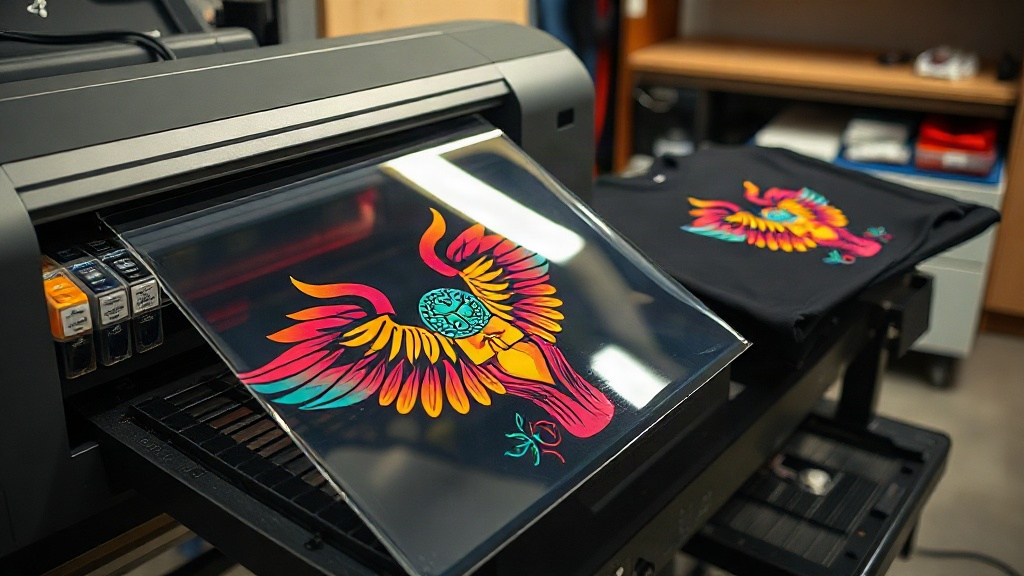
DTF printing is a process where your design is printed onto a PET film using specialized inks. A powder adhesive is applied to the wet ink, and then the film is cured. To transfer the design, you place it on the fabric and apply heat and pressure with a heat press. The adhesive melts, bonding the ink to the fabric. Once cooled, you peel away the film, leaving a vibrant, flexible print. This method is gaining popularity because it doesn't require pre-treatment of the fabric (unlike DTG) and works on a wide range of materials, including those with high polyester content, which can be tricky for other methods.
Why DTF Printing Stands Out
There are several reasons why DTF printing has become a go-to for many in the apparel industry. Let's break down the key advantages.
Versatility Across Fabrics
One of the biggest selling points of DTF is its ability to adhere to almost any fabric. Cotton, polyester, blends, even leather and denim. This versatility means you can offer a wider range of products without investing in multiple printing setups. For example, you can print a detailed graphic on a 100% polyester jersey and get the same vibrant result as on a cotton t-shirt.
Durability and Washability
When done correctly, DTF prints are incredibly durable. They withstand repeated washing without cracking, peeling, or fading. This is because the ink is bonded to the fabric with a flexible adhesive that moves with the material. I've seen DTF prints last for years on frequently worn work uniforms, maintaining their color and detail.
No Weeding or Cutting
Unlike heat transfer vinyl (HTV), DTF doesn't require weeding (removing excess material around the design). This saves a tremendous amount of time, especially for intricate designs with many small details. You simply print, powder, cure, and press. The film peels away cleanly, leaving only your design.
Vibrant Colors and Fine Details
DTF printers use CMYK plus white ink, allowing for full-color designs with gradients, photographs, and fine lines. The white ink layer acts as a base, making colors pop even on dark fabrics. This is a significant advantage over DTG, where white ink can be problematic on dark garments.
How DTF Printing Works: Step by Step
Understanding the process helps you troubleshoot and improve your results. Here's a breakdown of the DTF printing workflow.
- Design Preparation: Create or import your artwork in a graphic design software. Ensure it's mirrored (flipped horizontally) because the film will be pressed face-down onto the fabric.
- Printing: Load the PET film into your DTF printer. The printer lays down CMYK inks followed by a white ink layer. Some printers also apply a protective layer.
- Powdering: While the ink is still wet, apply hot melt adhesive powder evenly over the printed area. Shake off excess powder.
- Curing: Place the film in a curing oven or under a heat source to melt the powder. This step is crucial for durability. The powder should become glossy.
- Transfer: Set your heat press to the recommended temperature (usually around 160°C/320°F) and pressure. Place the film on the fabric and press for 10-15 seconds.
- Peeling: After pressing, let the film cool completely (cold peel) or peel while hot (hot peel), depending on the film type. Most DTF films are cold peel.
- Post-Pressing (Optional): Some printers recommend a second press with a cover sheet to enhance washability.
Getting Started with DTF: What You Need
If you're considering adding DTF to your business or hobby, here's a basic list of equipment and supplies.
- DTF Printer: Options range from converted Epson printers to dedicated industrial machines. Start with a reliable model that fits your budget and production volume.
- DTF Inks: Use high-quality inks specifically formulated for DTF. Cheap inks can clog printheads and produce poor results.
- PET Film: Available in rolls or sheets. Choose the thickness and finish suitable for your printer.
- Adhesive Powder: Typically TPU-based. Finer powder works better for detailed designs.
- Curing Oven: A dedicated oven ensures even melting of the powder. Some use heat guns or modified toaster ovens, but a proper oven is safer and more consistent.
- Heat Press: A good quality heat press with even pressure and accurate temperature control is essential.
- Design Software: Adobe Photoshop, Illustrator, or free alternatives like GIMP or Inkscape.
Common Challenges and How to Overcome Them
Like any printing method, DTF has its quirks. Here are some common issues and solutions.
Clogged Printheads
DTF inks contain white pigment, which can settle and clog printheads if not used regularly. Solution: Print a small test pattern daily and perform regular maintenance cleanings. Store printers in a dust-free environment.
Inconsistent Powder Application
Too much powder leads to a rough feel; too little results in poor adhesion. Solution: Use a powder shaker for even distribution and always shake off excess. A fine mesh sieve can help.
Poor Adhesion After Washing
This often stems from under-curing the powder or insufficient pressure during transfer. Solution: Ensure the powder is fully melted (look for a glossy finish) and use a heat press with consistent pressure. Follow the film manufacturer's temperature and time recommendations.
Color Accuracy
Colors may appear differently on film versus fabric. Solution: Create ICC profiles for your printer and RIP software to ensure accurate color reproduction. Test prints on actual fabric are essential.
DTF vs. Other Printing Methods
How does DTF stack up against DTG, screen printing, and HTV?
- DTG (Direct to Garment): Best for 100% cotton, but requires pre-treatment and can be less durable on polyester. DTF wins on versatility and durability.
- Screen Printing: Cost-effective for large orders but time-consuming for multi-color designs and not practical for small batches. DTF excels in short runs and complex designs.
- HTV (Heat Transfer Vinyl): Good for simple, single-color designs but requires weeding and layering. DTF handles full-color, detailed artwork with ease.
Tips for Success with DTF Printing
To get the best results from your DTF printer, keep these tips in mind.
- Maintain Your Printer: Regular cleaning and maintenance prevent clogs and ensure consistent output.
- Use Quality Supplies: Don't skimp on ink, film, or powder. Quality materials yield quality prints.
- Test and Tune: Every fabric behaves differently. Test your settings on a small sample before full production.
- Store Films Properly: Keep unused film in a cool, dry place to prevent moisture absorption.
- Educate Your Customers: Provide care instructions to ensure longevity of the prints.
Frequently Asked Questions About DTF Printing
What fabrics can I use with DTF printing?
DTF works on a wide range of fabrics including cotton, polyester, blends, leather, denim, and even some synthetic materials. It's particularly useful for polyester and dark garments where other methods may struggle.
How long does a DTF print last?
With proper application and care, DTF prints can last as long as the garment itself. They resist cracking, peeling, and fading through many wash cycles when instructions are followed.
Do I need a special printer for DTF?
Yes, you need a printer that uses DTF inks and is equipped with a white ink channel. Many people convert Epson printers, but dedicated DTF printers are available for higher volume production.
Is DTF printing cost-effective for small businesses?
Absolutely. DTF has a low entry cost compared to screen printing and allows for on-demand production without minimum order quantities. It's ideal for small businesses, startups, and personalized items.
Can I print on dark colors with DTF?
Yes, DTF excels on dark fabrics because the white ink layer provides a bright base for colors. This makes it superior to DTG for dark garments.
With its versatility, durability, and vibrant output, DTF printing is a game-changer in the custom apparel industry. Whether you're just starting out or looking to expand your offerings, mastering DTF can set your business apart.