If you are in the custom apparel business, you have likely heard of DTF transfers, a printing method that has taken the industry by storm. Unlike traditional screen printing or vinyl cutting, DTF allows for detailed, colorful designs on a wide variety of fabrics without the need for complicated setups. In this comprehensive guide, we will break down what DTF printing is, how it works, its many advantages and a few limitations, and how you can achieve professional results every time.
What Are DTF Transfers?
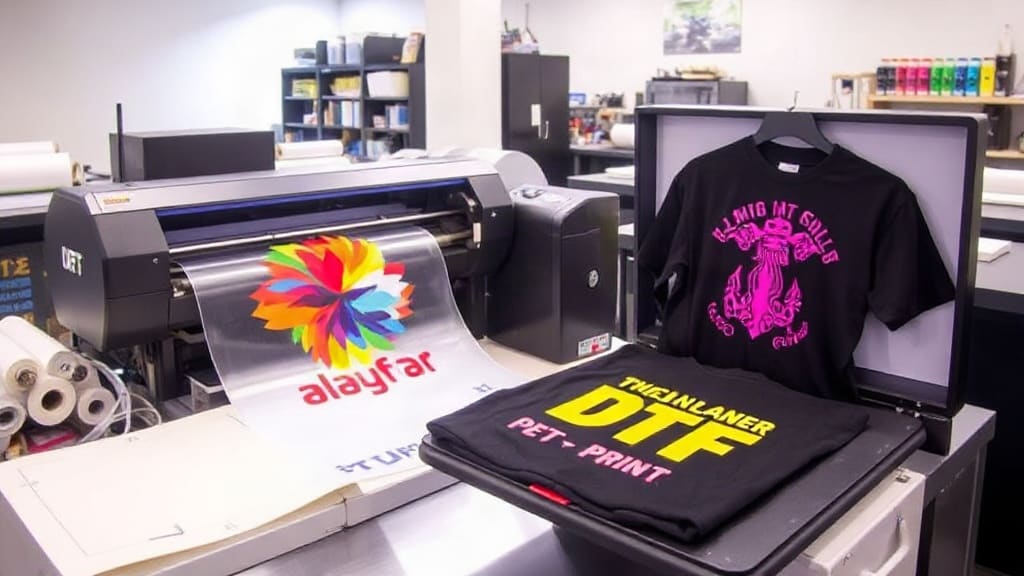
DTF stands for Direct to Film. It is a printing technique where a design is printed onto a special PET film using a printer equipped with white ink and CMYK colors. After printing, a layer of adhesive powder is applied to the wet ink, and the film is heated to cure the adhesive. The final product is a transfer that can be applied to fabric using a heat press. The process is similar to heat transfer vinyl, but DTF is far more versatile and durable.
Unlike screen printing, DTF does not require screens or complex setups, making it an excellent choice for small print runs and one-off custom orders. The result is a soft, stretchy print that can withstand repeated washing without cracking or fading.
How Does DTF Printing Work?
The DTF process involves several steps, each critical to achieving high-quality results:
- Design preparation: Create or select a design using graphic software, ensuring it is high resolution (at least 300 DPI).
- Printing on film: The design is printed onto a PET film using a DTF printer equipped with white ink. The printer lays down the CMYK colors first, then prints a white base layer for opacity, especially on dark garments.
- Applying adhesive powder: While the ink is still wet, a hot-melt adhesive powder is sprinkled over the film. The powder sticks only to the ink, not the empty areas.
- Drying and curing: The film is passed through a dryer or heat tunnel to melt the adhesive powder and bond it to the ink. This creates a peelable transfer.
- Pressing: The transfer is placed on the garment (or any fabric) with the adhesive side down, and a heat press applies heat and pressure for about 15 seconds at around 160°C (320°F).
- Peeling: Once the transfer has cooled slightly, the film is peeled away, leaving the design on the fabric.
The entire process can be done in-house with the right equipment, or you can order custom DTF transfers from a professional printing service.
Benefits of Using DTF Transfers
DTF has gained popularity for several compelling reasons:
- Versatility: DTF transfers work on a variety of fabrics, including cotton, polyester, blends, denim, and even leather and canvas. They are also suitable for items like hats, bags, and shoes.
- Detail and color: Unlike screen printing, DTF can reproduce intricate details, gradients, and photographic images with ease. The color vibrancy is outstanding, even on dark fabrics, thanks to the white underbase.
- Durability: The adhesive powder creates a strong bond between the ink and the fabric, resulting in prints that can stretch and last for many washes without cracking or peeling.
- Soft hand feel: DTF prints have a soft, textured feel that is much more comfortable than traditional vinyl, making them ideal for apparel.
- No minimum order: You can print a single custom piece or a bulk order with the same efficiency, which is perfect for personalized items and small businesses.
- Cost-effective for short runs: Since there is no screen setup cost, DTF is affordable for low-quantity orders.
Potential Drawbacks to Consider
While DTF transfers offer many advantages, they are not without limitations:
- Initial investment: A DTF printer and accessories can be expensive, though the cost is decreasing as technology becomes more accessible.
- Learning curve: Mastering the printing and powder application process takes time and practice to achieve consistent quality.
- Shelf life: DTF transfers are best used within a few months, as the adhesive can degrade over time, affecting adhesion.
- Not ideal for very large orders: For huge quantities, screen printing remains more cost-effective in terms of per-unit cost.
DTF vs. Other Printing Methods
To understand where DTF fits, it helps to compare it with other popular methods:
DTF vs. Screen Printing
Screen printing requires screens and setup, which makes it expensive for small orders but cheaper per unit for large quantities. It excels on light-colored garments and is durable. DTF, on the other hand, offers full-color prints with no setup, making it ideal for small batches and complex designs.
DTF vs. DTG (Direct to Garment)
DTG is similar to DTF but prints directly onto the fabric, which can be tricky on 100% cotton and often results in a heavier hand feel. DTF is more versatile in terms of fabric types and provides a softer print. DTF also allows you to pre-print transfers and apply them later, which is a big advantage for on-demand production.
DTF vs. Heat Transfer Vinyl (HTV)
HTV involves cutting designs from colored vinyl and pressing them onto garments. It is limited to solid colors and simple shapes. DTF allows for full-color prints with gradients and details, and it is easier to handle small designs with multiple colors.
How to Use DTF Transfers: A Step-by-Step Guide
Whether you are using a DIY kit or a professional service, here is how to apply DTF transfers correctly:
- Pre-press your garment for 3-5 seconds to remove moisture and wrinkles. This step ensures better adhesion.
- Place the transfer on the garment with the adhesive side facing down. Position it carefully.
- Cover with a Teflon sheet or parchment paper to protect the transfer and press.
- Press with a heat press set to about 160°C (320°F) and medium to firm pressure for 15-20 seconds. The exact time may vary depending on the transfer manufacturer.
- Peel the film either hot or cold, depending on the instructions. Some transfers are hot-peel, while others require cooling slightly.
- Re-press (optional) for 5 seconds to ensure full adhesion, especially on textured fabrics.
Tips for Perfect DTF Prints
To get the best results every time, consider these expert tips:
- Always use a clean, flat pressing surface and even pressure.
- Test on a scrap fabric first to fine-tune temperature and time.
- For dark garments, ensure your white underbase is printed thick enough for full opacity.
- Store unused transfers in a cool, dry place away from direct sunlight.
- Wash garments inside out in cold water and avoid using fabric softeners to extend print life.
- If you are purchasing DTF transfers from a supplier, request a sample to test quality before placing a large order.
Choosing the Right DTF Transfer Supplier
When you order DTF transfers from a service, quality can vary. Look for a supplier that uses high-quality inks and films, offers color management, and has good reviews. Consider the turnaround time and shipping costs. A reliable supplier will also provide clear application instructions.
Frequently Asked Questions
Can DTF transfers be used on any fabric?
Yes, DTF transfers work on a wide range of fabrics, including cotton, polyester, blends, and even nylon and leather. However, for very stretchy or textured materials, you may need to adjust the press time and pressure.
How long do DTF transfers last?
With proper application and care, DTF prints can last for dozens of washes without fading or cracking. The durability is comparable to screen printing.
What is the difference between white ink and CMYK in DTF?
White ink is printed as an underbase to make colors pop on dark garments, while CMYK (cyan, magenta, yellow, black) creates the actual design colors. The order of printing is usually CMYK first, then white, but some printers do the opposite.
Do I need a special printer for DTF?
Yes, you need a printer that is capable of handling white ink and PET film. Many Epson and Ricoh printers can be converted, but dedicated DTF printers are available for more consistent results.
Can I use DTF transfers on polyester sports jerseys?
Yes, DTF transfers can be applied to polyester, but you need to be careful with the heat press temperature to avoid scorching the fabric. Use a lower temperature and a protective sheet.
Conclusion
DTF transfers have revolutionized custom printing, offering a flexible, high-quality solution for businesses and hobbyists alike. Whether you are creating personalized gifts, launching a clothing line, or fulfilling bulk orders, understanding the process and best practices ensures excellent outcomes. With the right equipment and a bit of practice, you can produce vibrant, durable prints that will impress your customers. Ready to elevate your printing game? Consider investing in DTF technology or partnering with a trusted supplier to bring your designs to life.