When you type dtf transfers near me into a search engine, you're likely looking for a convenient way to get custom prints for your business or personal projects. DTF (Direct to Film) printing has become a popular choice for creating vibrant, durable designs on garments and other items. But finding the right local provider isn't always straightforward. With so many options, how do you ensure you're getting the best quality at a fair price? In this guide, I'll share what I've learned from working with DTF transfer suppliers and how you can make an informed choice.
I remember when I first started ordering DTF transfers for my small apparel brand. I assumed all providers were the same, but I quickly discovered that quality varies widely. Some transfers peeled after a few washes, while others had faded colors or cracked designs. After several disappointing experiences, I developed a checklist that has saved me time and money. Let me walk you through it.
Why Choose a Local DTF Transfer Provider?
There are many online DTF transfer services, but searching for dtf transfers near me has distinct advantages. Local providers often offer faster turnaround times, especially if you need rush orders. You can also visit their facility, see samples in person, and build a relationship with the team. This personal connection can lead to better customer service and flexibility with custom requests.
Another benefit is reduced shipping costs and lead times. When I order from a local shop, I can pick up my transfers the same day if needed. That's invaluable when you're under a deadline for a customer order or an event. Plus, supporting local businesses is a plus for many entrepreneurs.
How to Evaluate a DTF Transfer Provider
Not all DTF printers are equal. Here are the key factors I always consider before placing an order:
Quality of Materials and Printing
The best DTF transfers start with high-quality films, inks, and adhesive powders. Ask the provider what brands they use. Premium inks, such as those from reputable manufacturers, produce more vibrant colors and better wash durability. The film's thickness and release liner also affect the final result. A good provider should be transparent about their materials.
I always request a test print before placing a bulk order. This allows me to check color accuracy, sharpness, and how the transfer feels on the fabric. A reliable provider will happily provide samples, often at a nominal cost or even free.
Technology and Equipment
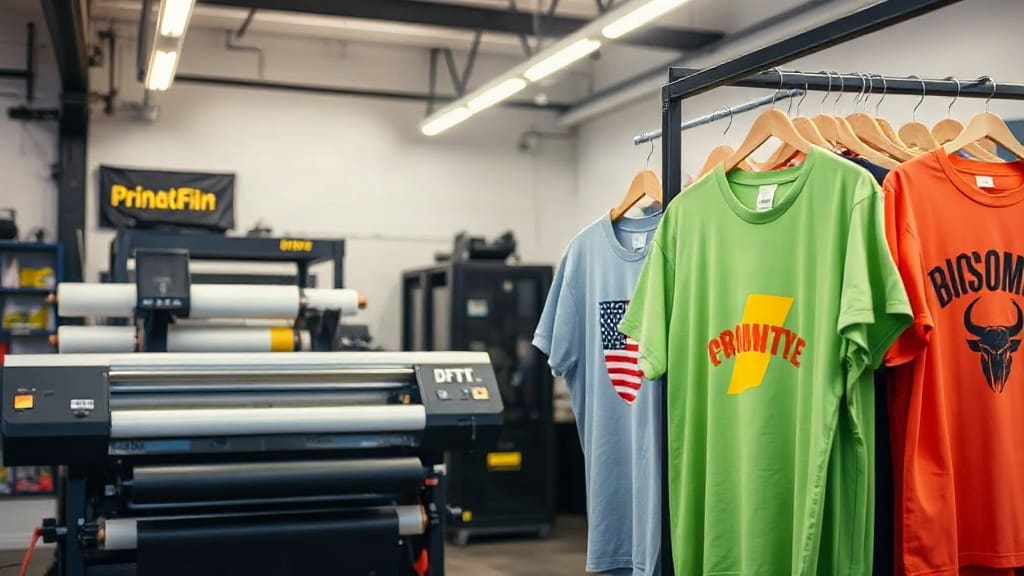
Modern DTF printers use advanced printheads and curing systems. Providers who invest in updated equipment tend to produce consistent, high-quality results. Ask about their printer models and maintenance routines. A well-maintained machine is less likely to cause issues like banding or misaligned colors.
Additionally, inquire about their RIP software and color management. Proper color profiling ensures that what you see on your screen is what you get on the final print. Some shops offer color matching services, which are essential if you have a specific brand color.
Experience and Reputation
Experience matters in DTF printing. A provider who has been in the business for years has likely encountered and solved various challenges. Look for reviews and testimonials on Google, Yelp, or social media. Don't just rely on the star rating; read the comments to understand common praises or complaints.
I also recommend asking for referrals from other local business owners. Word-of-mouth is powerful in the custom printing community.
Common Mistakes to Avoid When Ordering DTF Transfers
Even after you find a reputable provider, mistakes can happen. Here are the pitfalls I've seen and experienced:
Incorrect File Preparation
One of the most frequent issues is sending files that aren't print-ready. DTF printing requires high-resolution images with transparent backgrounds (PNG). If you submit a JPEG with a white background, the white will be printed as a solid block, ruining your design. Always export your files at 300 DPI or higher and in the correct format. If you're unsure, ask your provider for specifications.
Another common error is using fonts that aren't embedded. If you're sending a PDF with text, ensure the fonts are outlined or embedded to avoid substitution issues.
Ignoring Wash and Care Instructions
DTF transfers are durable, but they still require proper care. Many customers complain about peeling or cracking, but often it's because they wash the garment in hot water or use harsh detergents. Always follow the care instructions provided by the transfer maker. Typically, it's best to wash inside out in cold water and avoid tumble drying on high heat.
I make sure to inform my clients about these guidelines to prevent misunderstandings.
Overlooking Size and Placement
When designing your transfer, consider the size and placement relative to the garment. A design that looks good on a computer screen might be too large or small when printed. Use a template or mockup to visualize the final product. Some providers offer placement guides for common apparel items.
I once ordered a batch of transfers for t-shirts, and the design was too high, making it look awkward when worn. Now I always double-check the dimensions and placement before sending the final file.
What to Look for in a Sample
When you request a sample, examine it closely. Here's what I check:
- Color vibrancy: Are the colors rich and true to the original design?
- Edge sharpness: Are the cut lines clean without jagged edges?
- Adhesive coverage: Is the powder evenly applied? Missing adhesive areas can lead to poor adhesion.
- Flexibility: The transfer should feel soft and not overly thick or stiff.
- Wash test: Don't hesitate to wash the sample multiple times to see how it holds up.
I always perform a wash test on a sample before committing to a large order. It takes an extra week, but it saves me from potential disasters.
Cost Considerations and Pricing Models
Pricing for DTF transfers varies based on size, quantity, and complexity. Most providers charge per square foot or per transfer, with discounts for bulk orders. Be wary of quotes that seem too low; they may indicate subpar materials or rushed work.
Ask about setup fees, shipping costs, and whether there's a minimum order. Some shops offer white toner printing, which is more expensive but allows for printing on dark fabrics without a white base. Understand what's included in the price.
I've found that establishing a long-term relationship with a provider often leads to better pricing and priority service.
The Future of DTF Printing and Local Services
DTF technology is continuously improving. Newer films and inks are more eco-friendly and produce even better results. Local providers who adapt to these changes will be able to offer superior products.
If you're just starting with DTF transfers, I recommend starting small. Test a few providers, compare their samples, and then scale up. This approach minimizes risk and helps you find the best partner for your needs.
Frequently Asked Questions About DTF Transfers
How long do DTF transfers last on garments?
With proper care, DTF transfers can last as long as the garment itself. They are designed to withstand repeated washing and stretching. However, longevity depends on the quality of the transfer and the care taken. Always follow the recommended washing instructions to maximize durability.
Can DTF transfers be used on any fabric?
DTF transfers work best on cotton, polyester, and blends. They can also be applied to other materials like canvas or denim, but the result may vary. For slippery or waterproof fabrics, DTF might not adhere well. It's always a good idea to test on a sample piece before proceeding with a full order.
What is the minimum order quantity for DTF transfers?
Minimum order quantities vary by provider. Some shops allow orders as small as one transfer, while others require a minimum of 10 or more. If you're a hobbyist or need just a few prints, look for providers with low minimums or consider print-on-demand services.
How much do DTF transfers cost?
Pricing typically ranges from $2 to $10 per transfer, depending on size and quantity. Larger prints and smaller quantities cost more. Some providers offer tiered pricing, so ordering in bulk can significantly reduce the per-unit cost. Always request a detailed quote before committing.
How do I find the best DTF transfer shop near me?
Start by searching online for dtf transfers near me and checking reviews. Visit the shops if possible, ask for samples, and inquire about their equipment and materials. Don't be afraid to ask questions; a reputable provider will be happy to answer them. You can also ask local printing businesses for recommendations.
In conclusion, finding a trustworthy DTF transfer provider requires a bit of research, but it pays off in the long run. By focusing on quality, building relationships, and avoiding common mistakes, you'll get beautiful, durable prints that wow your customers. So start your search today, and don't settle for less than the best.