If you run a custom apparel business, you've likely heard about DTF (Direct to Film) printing. It's one of the most versatile and cost-effective methods for creating custom t-shirts, hoodies, and more. But finding a reliable source for dtf transfers can be challenging, especially when you need them quickly. Many business owners search for "dtf transfers near me" to get same-day or next-day service. In this guide, I'll walk you through everything you need to know about finding and using DTF transfers locally, online, or even producing them yourself.
What Are DTF Transfers and Why Are They So Popular?
DTF printing involves printing your design onto a special PET film, then applying adhesive powder and curing it. The result is a transfer that can be pressed onto almost any fabric, including cotton, polyester, blends, and even leather. Unlike traditional screen printing, DTF transfers allow for full-color, high-detail prints without the need for screens or multiple setups. They're perfect for on-demand orders, small batches, and even large runs.
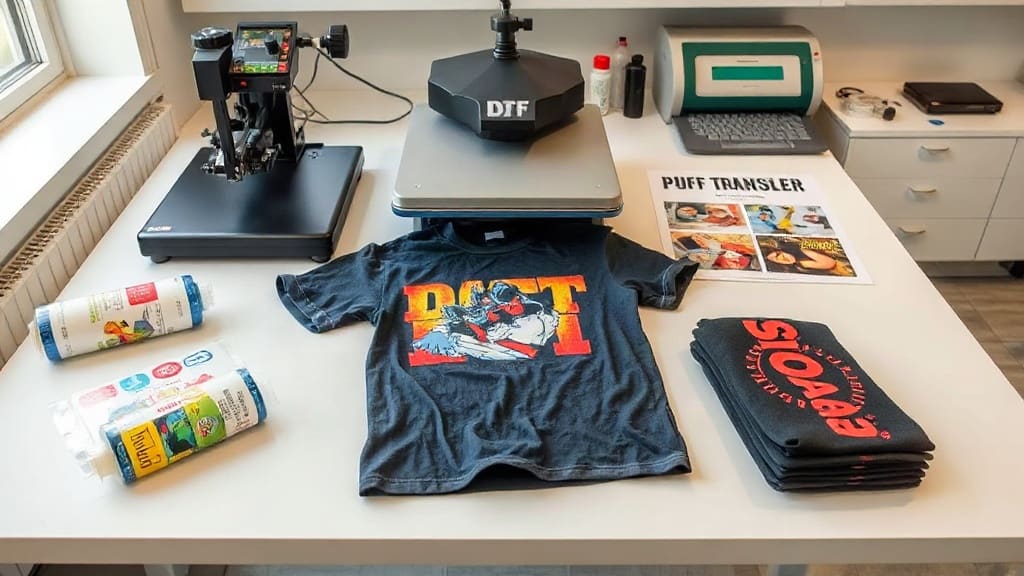
The popularity of DTF has skyrocketed because it's beginner-friendly and requires minimal equipment. You can start with just a printer, heat press, and the right materials. Plus, the transfers have excellent stretchability and washability, making them ideal for activewear and daily wear.
Local vs. Online: Which Is Better for DTF Transfers?
When you search for "dtf transfers near me," you'll likely find both physical shops and online suppliers. Each has its pros and cons, so let's break them down.
Benefits of Buying Locally
Speed and Convenience: The biggest advantage of a local supplier is speed. You can order in the morning and pick up transfers by the afternoon, which is perfect for last-minute orders or events. No shipping costs or waiting days for delivery.
Physical Inspection: You can see and feel the transfer quality before you buy. This is important because not all DTF transfers are created equal. You can check the film thickness, the adhesive coverage, and the print clarity.
Personal Support: Local shops often provide better customer service. You can ask questions directly and get advice on press settings, materials, and more. Plus, you're supporting your local economy.
Benefits of Buying Online
Lower Prices: Online suppliers often have lower overhead costs, which means they can offer more competitive pricing, especially for bulk orders. If you're buying in large quantities, the savings can be significant.
Wider Variety: Online stores typically have a much larger selection of sizes, finishes, and even glitter or puff effects. You're not limited to what's in stock at a nearby shop.
Access to Specialists: Some online companies specialize in DTF transfers and may use higher-quality inks and films. They often have more experience and can produce extremely detailed prints.
So, which is better? It depends on your priorities. If you need transfers immediately or value hands-on service, go local. If you're planning ahead and want to save money, online is the way to go.
How to Find DTF Transfers Near Me: A Step-by-Step Process
Finding a trustworthy local supplier takes more than a quick Google search. Here's a practical approach to ensure you get high-quality dtf transfers near you.
Step 1: Start with a Specific Search
Instead of just typing "dtf transfers near me," use more specific terms. For example, "DTF printing services in [your city]" or "DTF transfer supplier for businesses." This will yield more targeted results, including smaller shops that may not rank high for the generic phrase.
Step 2: Check Online Reviews and Social Media
Once you have a list of potential suppliers, look them up on Google Maps, Yelp, and Facebook. Pay attention to recent reviews. Look for comments about print quality, turnaround time, and customer service. A supplier with a few negative reviews isn't necessarily bad, but a pattern of complaints should raise red flags.
Step 3: Ask for Samples
Always ask to see a physical sample before committing to a large order. A reputable supplier will happily provide samples, often at a minimal cost or even free. When you get the sample, test it yourself: press it onto a shirt, wash it a few times, and see how it holds up. This is the best way to judge quality.
Step 4: Compare Pricing and Minimums
Every supplier has different pricing structures and minimum order quantities. Some may require a minimum of 10 transfers, while others might allow you to order just one. Compare prices per transfer, but also factor in setup fees, if any. Be wary of unusually low prices, as they often mean lower quality materials.
Step 5: Evaluate Turnaround Times
Ask about their standard turnaround time and whether they offer rush services. If you're in the middle of a busy season, you need a supplier who can deliver quickly. Also, ask about their capacity; some small shops may not be able to handle large bulk orders within your deadline.
What to Look for in a DTF Transfer Supplier
Not all DTF transfers are the same. To ensure your prints come out vibrant and durable, look for these key factors in a supplier:
Print Quality
The transfer should have sharp, vibrant colors with no banding or bleeding. The white underbase must be opaque and well-defined, especially for dark fabrics. Ask what printer and ink they use; reputable suppliers often use Epson printers and high-quality DTF inks.
Adhesive Powder and Film
The adhesive powder should be evenly applied and of good quality. Inferior powder can result in poor adhesion and cracking after washing. The film should be clear and have a good release layer. You want a transfer that presses smoothly without any residue left behind.
Edge Cutting and Sizing
Many suppliers offer die-cut or kiss-cut transfers. Die-cut means the transfer is cut exactly to the shape of your design, which is great for detailed graphics. Kiss-cut leaves a border, which can be easier to handle. Make sure the supplier offers the cutting style you prefer.
Customer Support and Communication
Good communication is crucial. Your supplier should be responsive to emails or calls and willing to help with any issues that arise. If they're hard to reach before you order, imagine how it'll be if there's a problem with your order.
How to Use DTF Transfers Effectively
Once you've found a reliable source, you need to know how to apply the transfers correctly. Here are some tips based on my experience:
Press Settings
For most DTF transfers, you'll want to press at 300°F to 320°F (150°C to 160°C) for about 10 to 15 seconds with medium to firm pressure. However, always follow the supplier's specific instructions. Some films may require higher temperatures or longer dwell times.
Use a Teflon sheet or parchment paper over the transfer to protect it from the heat press. This prevents the film from sticking to the heat platen.
Pre-Pressing
Before applying the transfer, pre-press your garment for 2 to 3 seconds to remove any moisture and wrinkles. This ensures a smooth surface for better adhesion.
Peeling
Most DTF transfers are hot-peel or cold-peel. Hot-peel means you peel the film immediately after pressing, while it's still hot. Cold-peel requires waiting until it cools down. Always check the instructions. Peeling at the wrong time can cause the design to lift or crack.
Aftercare
Advise your customers to wash the garment inside out in cold water and avoid using bleach. Tumble drying on low heat is fine, but high heat can damage the print over time. If you provide these care instructions, your prints will last longer, which means fewer returns and happier customers.
Common Mistakes to Avoid When Using DTF Transfers
As with any printing method, there are pitfalls. Here are the most common mistakes I've seen (and made myself) and how to avoid them:
Ignoring the Fabric Type
While DTF works on many fabrics, it adheres best to 100% cotton or cotton blends. On high-polyester fabrics, the ink may not bond as well, leading to cracking or peeling. If you're printing on performance wear, consider using a different method or a special low-temperature DTF film.
Not Testing Before Bulk Production
Always do a test press on the actual garment you'll be using. Different fabric textures and colors can affect the final result. For example, a rough fabric may require more pressure or a longer dwell time. A test will save you from wasting a batch of transfers.
Overlooking Storage Conditions
DTF transfers are sensitive to heat and humidity. Store them in a cool, dry place, away from direct sunlight. If they're exposed to high temperatures, the adhesive may activate prematurely and cause sticking. Also, keep the rolls flat to avoid curling.
Conclusion
Finding the right source for dtf transfers is all about knowing what to look for and taking the time to test. Whether you choose a local supplier or an online one, prioritize quality and reliability. If you follow the steps in this guide, you'll be able to produce amazing custom apparel with confidence. And remember, the search for "dtf transfers near me" doesn't have to be a gamble. With a little homework, you can find a partner that helps your business grow.
Frequently Asked Questions
How much do DTF transfers cost locally?
The cost of dtf transfers varies widely depending on the supplier, the size of the transfer, and the quantity. On average, a 10x10 cm transfer might cost between $2 and $5, while larger transfers cost more. Local suppliers may charge a bit more due to overhead, but you save on shipping. Some may offer discounts for bulk orders, so always ask.
Can I use DTF transfers on dark colored shirts?
Yes, DTF transfers are excellent for dark fabrics because they include a white underbase that makes the colors pop. Just make sure the supplier uses a high-opacity white ink. When pressing onto dark shirts, you might need to increase the dwell time slightly to ensure full adhesion.
How long do DTF transfers last?
When applied correctly and cared for properly, DTF transfers can last as long as the garment itself. They typically withstand 50+ washes without significant fading or cracking. To extend their lifespan, wash the garments inside out in cold water and avoid high-heat drying.
Are DTF transfers safe for use on children's clothing?
Yes, DTF transfers are safe for children's clothing as long as they are made with non-toxic, eco-friendly inks. Most reputable suppliers use water-based or eco-solvent inks that are free of harmful chemicals. However, always follow the care instructions to ensure the transfer remains intact and non-hazardous.
What equipment do I need to apply DTF transfers?
You'll need a heat press (either a clamshell or swing-away), a Teflon sheet or parchment paper, and the transfers themselves. A heat press is essential for even pressure and temperature. While a home iron can work in a pinch, it won't provide consistent results, so I recommend investing in a heat press if you're serious about your craft.