
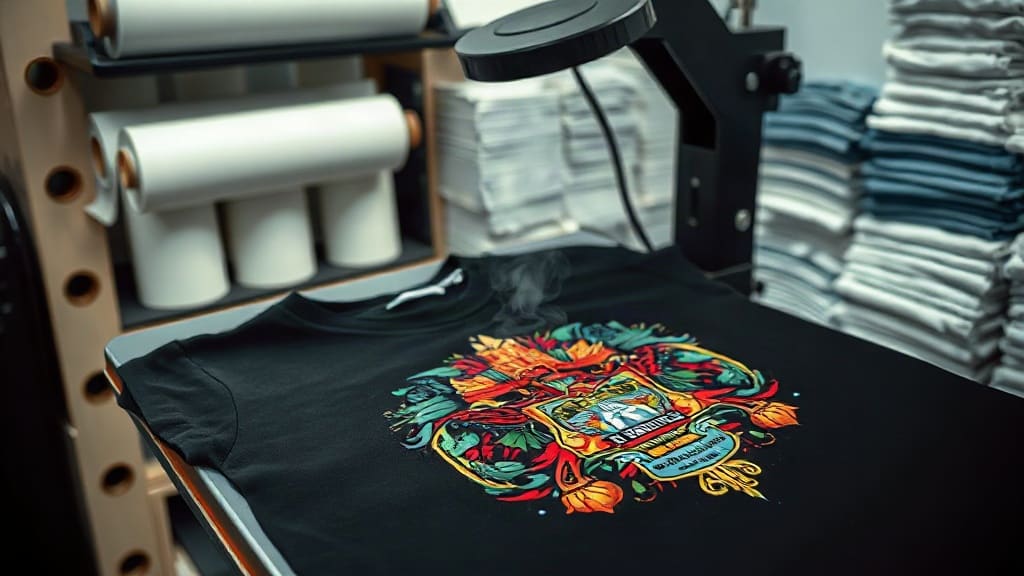
If you're in the custom apparel business or just love creating personalized garments, you've likely heard of DTF transfers. This innovative printing method has taken the industry by storm, offering a fantastic alternative to traditional screen printing and vinyl. With its ability to produce vibrant, detailed, and stretchable designs on a wide range of fabrics, DTF is a game-changer. In this guide, we'll dive deep into what DTF transfers are, how they work, their advantages, and how you can achieve professional results at home or in your small business.
What Are DTF Transfers?
DTF stands for Direct to Film. It's a printing technique where a design is printed onto a special film using a DTF printer, then adhesive powder is applied, and the film is heat-pressed onto a garment. Unlike Direct to Garment (DTG) printing, which prints directly onto fabric, DTF prints onto a transfer film first, which is then applied to the fabric. This allows for versatility, as the same transfer can be used on various materials including cotton, polyester, blends, and even leather and nylon.
The process begins with a digital design, which is printed in reverse onto a PET film using water-based inks. After printing, a hot-melt adhesive powder is applied to the wet ink. The powder sticks only to the printed areas. The film is then dried and cured. When you're ready to apply the transfer, you place it on the garment, adhesive side down, and apply heat and pressure with a heat press. The adhesive melts and bonds the design to the fabric, resulting in a soft, durable print that won't crack or peel easily.
Why Choose DTF Transfers?
There are several compelling reasons why DTF transfers have become so popular:
- Versatility: Unlike vinyl or screen printing, DTF works on virtually any fabric, including dark colors, without a white base layer. You can print on cotton, polyester, blends, and even performance fabrics that are notoriously difficult to print on.
- Vibrant Colors: DTF prints are known for their intense color saturation. The white ink base ensures that colors pop, even on dark shirts.
- Soft Hand Feel: The adhesive powder creates a thin, flexible layer that blends with the fabric, resulting in a soft, stretchy print that doesn't feel heavy or plasticky.
- Durability: DTF transfers are highly durable. They can withstand multiple washes without fading or cracking, making them ideal for workwear, sportswear, and everyday apparel.
- Cost-Effective for Small Runs: Traditional screen printing requires screens, which are expensive for short runs. DTF allows you to print one-off designs or small quantities economically, making it perfect for custom orders and side hustles.
- Ease of Use: Once you have the equipment, applying DTF transfers is a straightforward process. It's also easy to store transfers, so you can print in bulk and apply later.
The DTF Transfer Process: Step by Step
To achieve the best results with DTF transfers, it's essential to understand each step of the process and follow best practices.
Creating Your Design
Start by designing your artwork using graphic software like Adobe Illustrator, CorelDRAW, or even free tools like Canva. Keep in mind that DTF printers use CMYK plus white ink. Your design should be in high resolution (300 dpi at actual size) to ensure crisp details. If your design includes colors, ensure they are in CMYK mode for accurate color reproduction. For text, make sure it's converted to outlines to avoid font issues.
Printing the Transfer
Set up your DTF printer with the appropriate ink and load the PET film. The printer will lay down the CMYK colors first, then apply a layer of white ink underneath. This white layer is crucial for dark fabrics. Today's DTF printers automatically handle the white ink opacity based on your settings. It's vital to maintain proper print head alignment and ink viscosity for consistent results.
Applying Adhesive Powder
Once the design is printed, you need to apply the hot-melt adhesive powder. This is done while the ink is still wet. You can use an adhesive powder applicator that sprinkles the powder evenly, or you can manually shake it over the print. The powder should cover the entire printed area, including the white ink, but not the unprinted areas. After application, shake off the excess powder gently.
Drying and Curing
Next, you need to dry the transfer to remove moisture and partially cure the adhesive. You can use a heat press, a conveyor dryer, or a specialized DTF dryer. The transfer should be heated to around 180°F (82°C) for 2-3 minutes, or according to your powder manufacturer's instructions. This step ensures the powder is fixed to the ink and won't shift during handling.
Heat Press Application
Now, preheat your heat press to around 300°F (150°C). Place the garment on the press, and position the transfer on the fabric with the adhesive side facing down. Apply medium to firm pressure (around 40-60 psi) for about 15 seconds. After pressing, peel the film while it's still hot or after a few seconds, depending on the instructions. Typically, DTF transfers require a hot peel for best results, as peeling cold can cause the adhesive to stick to the film.
Post-Press (Optional)
For added durability, especially on performance fabrics, you can do a second press with a Teflon sheet for a few seconds. This helps ensure the adhesive is fully bonded.
Tips for Flawless DTF Transfers
Getting the perfect DTF transfer takes practice. Here are some expert tips to help you avoid common pitfalls:
- Choose the Right Film: Use high-quality DTF film that is designed for your printer. Cheap films can cause ink to spread or not release properly.
- Maintain Your Printer: Regularly clean your print heads and run test prints to ensure even ink flow. Clogged heads lead to streaky prints.
- Test Different Fabrics: Not all fabrics react the same to heat. Always test on a scrap piece first, especially if you're printing on something new like nylon or leather.
- Use Quality Adhesive Powder: The powder is critical for adhesion. Use a powder that's finely ground and cures at a consistent temperature. Store it in a dry place to prevent clumping.
- Control the Environment: High humidity can affect the powder and ink. Work in a dry, temperature-controlled area.
- Peel at the Right Time: Most DTF transfers recommend a hot peel. If you peel too early, the design may lift; too late, and it might stick. Follow the manufacturer's guidelines.
- Cure Thoroughly: If the transfer isn't fully cured during the powder-drying stage, it might fail during washing. Invest in a proper curing system or use a heat press with temperature control.
- Layer for Effects: You can create special effects like glitter or puff by mixing powders or using specialty films, but these require extra care.
- Store Transfers Properly: If you're making transfers in advance, store them in a cool, dry place away from direct sunlight to prevent the adhesive from degrading.
DTF vs. Other Printing Methods
How do DTF transfers compare to other popular methods? Let's break it down.
DTF vs. Screen Printing
Screen printing is ideal for large orders with simple designs and few colors. It offers excellent durability and color vibrancy, but the setup cost is high. DTF, on the other hand, has no setup costs, making it perfect for small batches and complex, full-color designs. For orders of 50+ pieces, screen printing might be more cost-effective, but for custom one-offs, DTF wins.
DTF vs. Vinyl
Vinyl cutting is great for simple text and shapes, but it can't achieve the detail or color gradients that DTF can. Vinyl also has a thicker, sometimes plasticky feel, and it may crack over time. DTF offers a softer, more durable print, and it's easier to handle intricate designs.
DTF vs. DTG
DTG prints directly onto the garment, providing a soft, breathable print that's ideal for cotton. However, DTG printers are expensive, require extensive maintenance, and typically only work on 100% cotton. DTF is more versatile and can be used on a wider range of fabrics, making it a more flexible choice for a print-on-demand business.
Common Mistakes to Avoid
Even experienced printers can make mistakes with DTF. Here are some common errors to watch out for:
- Too Much Adhesive Powder: Excess powder can cause a thick, rubbery feel and may crack. Use just enough to cover the ink.
- Insufficient Heat: If your heat press temperature is too low, the adhesive won't melt properly, leading to poor washability.
- Not Using a Teflon Sheet: When pressing, always place a Teflon sheet between the heat platen and the transfer to prevent sticking.
- Peeling Too Early: Wait for the recommended peel time. Most films require a hot peel, but some are cold peel. Read the instructions.
- Ignoring the White Ink Layer: The white ink is essential for dark garments. Ensure your printer is printing a sufficient layer of white.
- Skipping the Pre-Press: Always pre-press your garment to remove moisture and wrinkles. This helps the transfer adhere better.
Applications of DTF Transfers
The versatility of DTF makes it suitable for a wide range of products:
- Apparel: T-shirts, hoodies, sweatpants, leggings, and more.
- Sportswear: Jerseys, activewear, and performance fabrics.
- Workwear: Uniforms, high-visibility clothing, and safety gear.
- Accessories: Tote bags, hats, aprons, and even shoes.
- Home Textiles: Pillows, blankets, and towels.
- Promotional Items: Custom merchandise for events and giveaways.
Frequently Asked Questions
How many washes can DTF transfers withstand?
Properly applied DTF transfers can last for over 50 washes without significant fading or cracking, provided you follow the recommended care instructions. Washing garments inside out in cold water and avoiding harsh detergents and bleach will extend the life of your prints.
Can I use DTF transfers on dark colored fabrics?
Yes, that's one of the biggest advantages of DTF. The white ink layer acts as a primer, ensuring that vibrant colors show up clearly on dark materials like black, navy, and red.
What equipment do I need to start making DTF transfers at home?
You'll need a DTF printer (which can be a modified inkjet printer), DTF film, CMYK and white inks, adhesive powder, a powder applicator (optional), and a heat press. For curing, you can use a heat press or a dedicated DTF dryer. Additionally, you'll need design software and a computer.
Is DTF printing cost-effective for small businesses?
Absolutely. DTF eliminates the need for screens and other setup costs, making it ideal for print-on-demand and small-batch production. You can print a single transfer for a few dollars and sell the finished product at a profit, making it a low-risk way to start a custom apparel business.
How do I store unused DTF transfers?
Store transfers in a cool, dry place, away from direct sunlight. You can keep them flat in a box or on a roll. Avoid extreme temperatures and humidity, as these can affect the adhesive. If stored properly, transfers can last for months before application.