DTF printing, short for Direct to Film, has taken the custom apparel industry by storm. If you're new to this technology, you might be wondering what makes it so special and whether it's the right choice for your business. In this guide, I'll walk you through everything you need to know about DTF, from how it works to the equipment you'll need, and I'll share some practical tips I've learned along the way.
What Is DTF Printing?
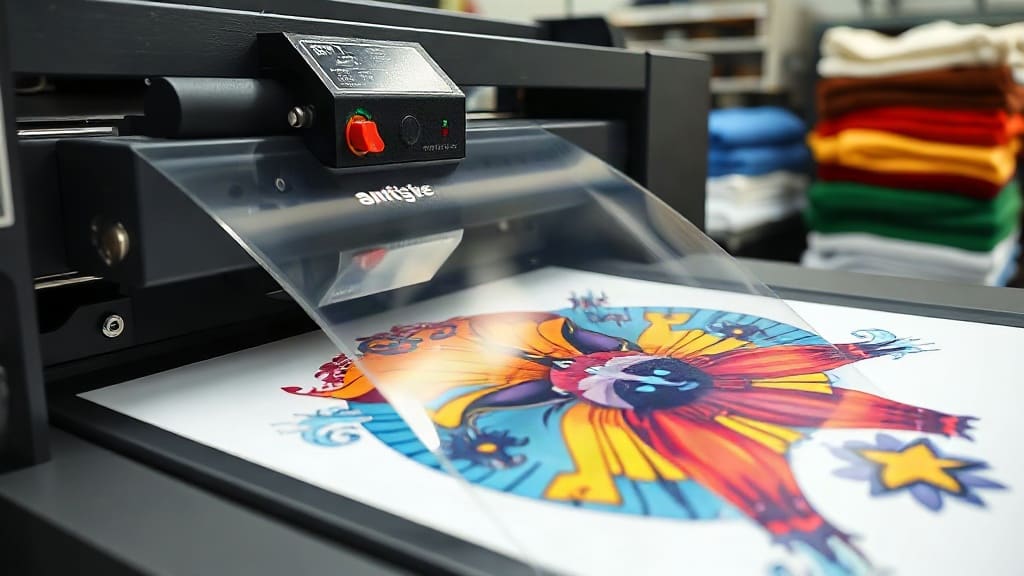
Direct to Film printing is a method where a design is printed onto a special PET film using a DTF printer and then transferred to fabric using a heat press. Unlike traditional screen printing or direct-to-garment (DTG), DTF allows you to print on a wide variety of materials, including cotton, polyester, blends, and even tricky items like hats or bags.
How Does DTF Work?
The process involves several steps. First, you print your design in reverse onto a clear PET film, typically using a DTF printer that uses CMYK plus white ink. After printing, you apply a special adhesive powder to the wet ink. The powder is then melted and cured in a heat oven or using a heat press. Once the film cools, you cut out your design and heat press it onto the garment. The result is a vibrant, durable print that feels soft and stretches well.
Why Choose DTF Over Other Methods?
There are several reasons why DTF has become so popular. Compared to DTG, DTF doesn't require expensive pre-treatment for cotton garments. It also works on dark and light fabrics without a white underbase, saving time and material. Unlike screen printing, DTF is perfect for small batches and intricate, full-color designs. Plus, the transfer can be stored and applied later, which is a huge advantage for those who want to print in bulk and press on demand.
Essential Equipment for DTF Printing
To get started, you'll need a few key pieces of equipment. I remember when I first set up my studio, I was overwhelmed by the choices, but here's the essential list:
- DTF printer: This can be a converted Epson eco-solvent printer or a dedicated DTF model. Look for one that supports white ink and has a reliable system for circulating ink to prevent clogging.
- PET film: High-quality film ensures good ink adhesion and release. Look for film that is compatible with your printer type (e.g., for Epson or Ricoh).
- Adhesive powder: Hot melt adhesive powder is crucial for the bond between the film and the fabric. Choose a fine powder for smoother prints.
- Heat press: A good heat press with even pressure is essential. You'll use it to cure the powder and to transfer the design.
- Shaker or powder applicator: This can be a manual or automatic shaker that coats the wet ink with powder.
- Heat source for melting: A curing oven or a heat press can be used to melt the powder.
Step-by-Step DTF Printing Process
Once you have your equipment, the process becomes routine. Here’s a detailed breakdown:
- Create your design in a software like Adobe Illustrator or Photoshop. Remember to mirror your design horizontally because you'll be printing on the film's matte side and pressing the film's shiny side down.
- Print your design onto the PET film using your DTF printer. Ensure you have enough white ink coverage for areas that need to be opaque.
- Apply adhesive powder while the ink is still wet. Spread the powder evenly over the printed area, then shake off the excess.
- Melt the powder by placing the film in a curing oven at around 160°C (320°F) for about 2-3 minutes, or use a heat press at a lower temperature for a shorter time. The goal is to melt the powder so it forms a continuous adhesive layer.
- Cut out your design with scissors or a cutting machine.
- Heat press the transfer onto your garment. Place the film with the adhesive side down on the fabric, and press at about 160°C (320°F) with medium pressure for 15-20 seconds.
- Peel the film while it's still warm or after it cools, depending on the film type. Some films recommend hot peeling, others cold. Follow the manufacturer's instructions.
Common Mistakes to Avoid
When I started, I made plenty of mistakes. I hope these tips help you avoid them:
- Not using enough adhesive powder: If you don't apply enough, the design won't stick properly and will peel after washing.
- Overcuring the powder: Leaving the film in the oven too long can make the adhesive too dry, reducing its stickiness. Use a timer.
- Wrong peel technique: Some films need to be peeled hot, others cold. Always test a small piece first.
- Using low-quality film or ink: This can cause cracking or fading. Invest in reputable brands.
- Ignoring print resolution: For crisp details, print at 600x600 DPI or higher.
Costs and Profitability
Starting a DTF business requires an initial investment. A decent setup can cost anywhere from $2,000 to $10,000 depending on the printer and accessories. However, the cost per print is relatively low, especially when you produce in bulk. For a single A3 sheet, you might spend around $0.50 on film, ink, and powder. When you consider that many custom prints sell for $10 to $20, the profit margin is attractive.
Case Studies: Who Uses DTF?
Many small businesses and print-on-demand services have adopted DTF. For example, a friend of mine runs a T-shirt business from home. He uses DTF to create custom shirts for local events and sports teams. He loves that he can print a single shirt without worrying about minimum orders, and the turnaround time is fast. Another example is a print shop that uses DTF to fulfill orders for online marketplaces like Etsy, where customers demand unique designs.
How to Choose the Right DTF Film and Ink
Not all films and inks are equal. Your choice can make or break your prints. Look for films that are specifically designed for your printer and have a good release rate. For ink, you'll usually use pigment-based inks that are compatible with your printhead. It's worth trying a few brands to see which gives you the best color vibrancy and durability.
DTF vs. Other Transfer Methods
You might also consider heat transfer vinyl (HTV) or sublimation. HTV is great for simple designs with few colors, but it's not suitable for full-color photographs. Sublimation works only on polyester and leaves the print feeling smooth, but it doesn't work on dark fabrics. DTF offers more versatility, so it's often the best choice for a wide range of products.
Maintenance and Troubleshooting Tips
To keep your DTF printer running smoothly, clean it regularly and use high-quality ink to prevent clogs. If you notice lines or missing colors, run a nozzle check. Also, store your film in a cool, dry place to prevent moisture damage. And always follow the recommended temperature and pressure settings for your specific heat press.
Frequently Asked Questions
Can I use a regular inkjet printer for DTF?
No, you need a printer that can handle pigment ink and white ink, which typically requires a specialized printer or a converted one. Standard inkjet printers won't produce durable or opaque prints.
How many washes can a DTF print last?
With proper care, a DTF print should last for over 50 washes. It's important to wash inside out, in cold water, and avoid harsh detergents to extend the life.
What fabrics are best for DTF printing?
DTF works well on cotton, polyester, blends, and even nylon. However, for best results, use fabrics that can withstand heat. Always do a test press on a small area first.
Do I need a curing oven or can I use a heat press?
You can use a heat press to melt the powder, but it's trickier to get even heat. A curing oven is more consistent and faster for larger quantities.
Is DTF printing eco-friendly?
DTF uses water-based inks and produces less waste than screen printing. However, the PET film and powder are not biodegradable, so proper disposal is necessary. Some companies offer recycling programs.
Final Thoughts
Embarking on your DTF journey can be exciting and profitable. It's a flexible technology that allows you to create high-quality prints on demand. Start with a modest setup, practice, and learn from your mistakes. Soon, you'll be producing professional-grade transfers that your customers will love.